


Choosing the right protein powder can feel overwhelming. Walk down any supplement aisle, and you’re met with a sea of options, but two giants dominate: Whey and Plant Protein. Is one truly better than the other? The answer isn't a simple yes or no—it depends entirely on your body, your goals, and your lifestyle. Let's break down the key differences to help you make an informed choice.
The Muscle-Building Champion: Whey Protein
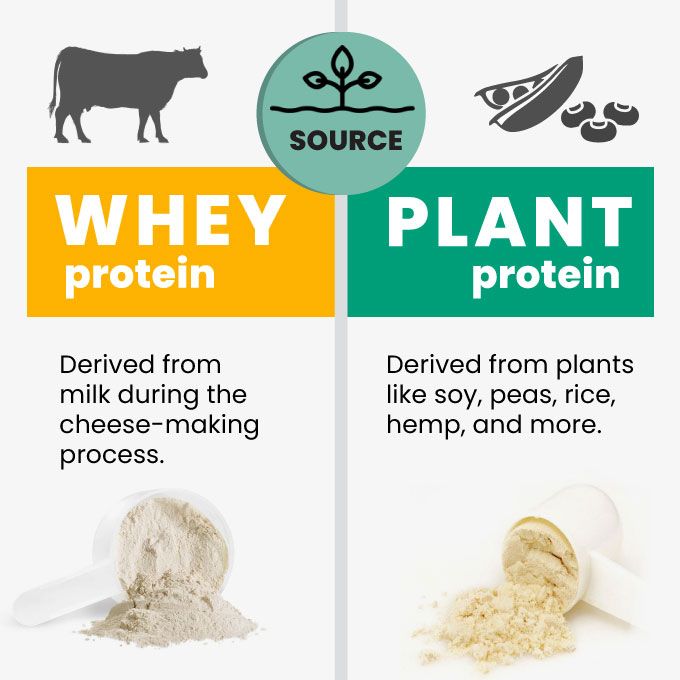
Derived from milk, whey is often hailed as the gold standard for muscle recovery and growth, and for good reason.
-
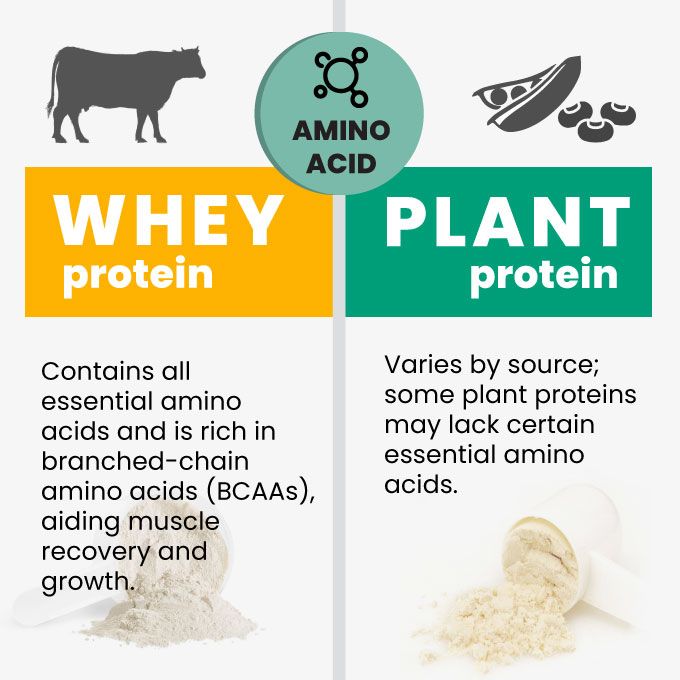
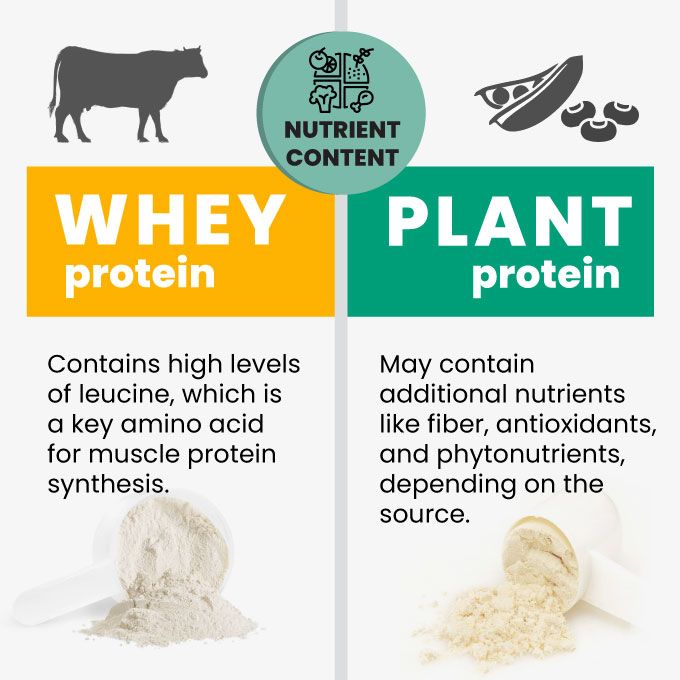
Amino Acid Powerhouse: Whey is a complete protein, meaning it contains all nine essential amino acids your body cannot produce. It is exceptionally rich in Branched-Chain Amino Acids (BCAAs), particularly leucine, which is the primary trigger for stimulating muscle protein synthesis. This makes it a supremely efficient choice for athletes and bodybuilders aiming for quick recovery and muscle growth post-workout.
-
Rapid Absorption: Whey is quickly digested and absorbed into your bloodstream, providing a fast supply of amino acids to fatigued muscles.
-
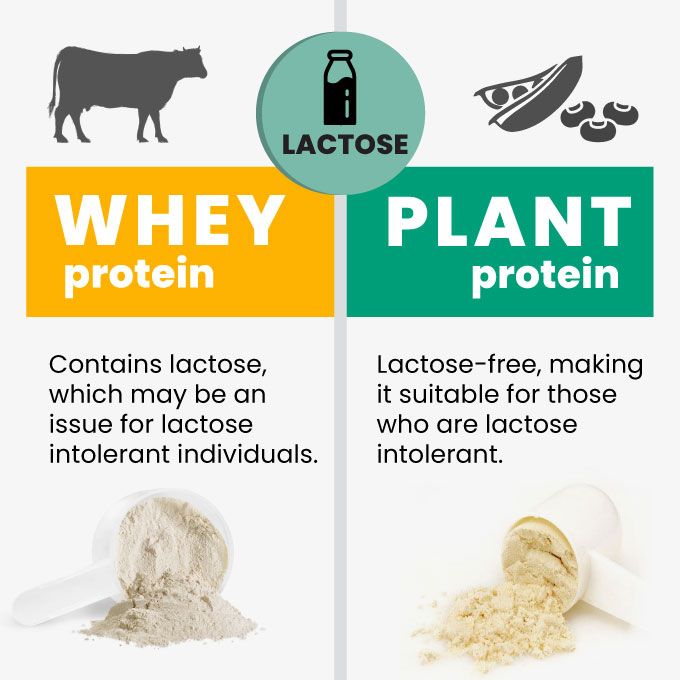
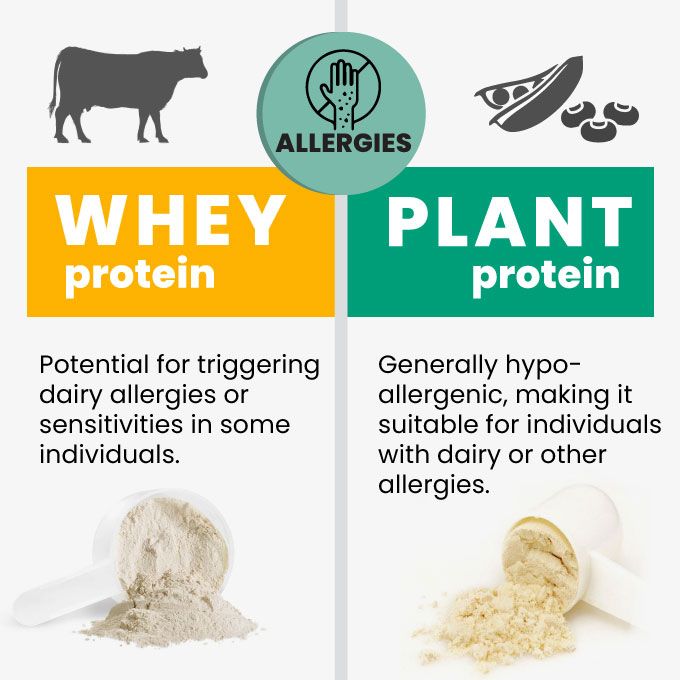
Considerations: As a dairy product, whey contains lactose, which can cause digestive discomfort for lactose-intolerant individuals. It is also unsuitable for those with a dairy allergy or following a vegan diet.
The Plant-Powered Contender: Plant Protein
Typically derived from sources like pea, rice, hemp, or a blend thereof, plant protein has surged in popularity as a powerful and inclusive alternative.
-
Holistic Nutrition: While its amino acid profile varies by source, modern plant proteins often blend complementary sources (like pea and rice) to create a complete amino acid profile. Beyond protein, plant-based powders can offer additional nutrients like fiber, antioxidants, and phytonutrients, supporting overall health and digestion.
-
Allergy-Friendly & Inclusive: Plant protein is naturally lactose-free and hypoallergenic, making it an excellent choice for those with dairy sensitivities, lactose intolerance, or specific allergies. It is, of course, the go-to option for vegans and vegetarians.
-
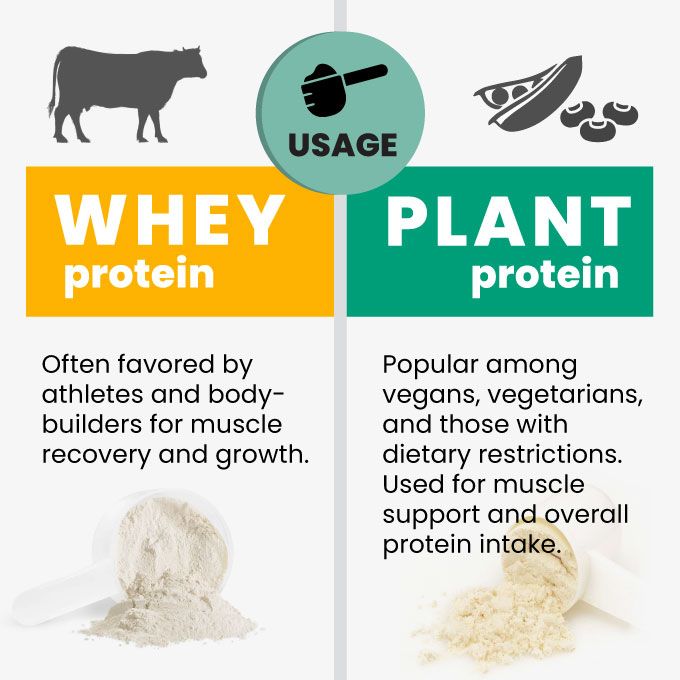
Versatile Usage: While fantastic for muscle support, it's also widely used by anyone looking to increase their daily protein intake for general wellness, weight management, or sustained energy.
The Verdict: It's About Your Unique Needs
| Feature | Whey Protein | Plant Protein |
|---|---|---|
| Best For | Peak muscle synthesis, rapid recovery | Dietary restrictions, overall wellness |
| Amino Acid Profile | Complete, high in BCAAs/Leucine | Varies; often complete in blends |
| Digestion | Fast absorption | May include fiber, slower digestion |
| Allergies | Contains dairy | Generally hypoallergenic |
| Lactose | Contains lactose | Lactose-free |
Choose Whey Protein if: Your primary goal is maximizing muscle growth and recovery, you have no issues with dairy, and you want the most researched, fast-acting protein source.
Choose Plant Protein if: You follow a vegan or vegetarian lifestyle, have lactose intolerance or dairy allergies, or you’re looking for a protein that supports overall health with added nutrients.
Ultimately, the "best" protein is the one that aligns with your dietary preferences, fits your health needs, and helps you consistently meet your nutritional goals. Both are powerful tools on your journey to better health and fitness.
Ready to fuel your journey with the right protein? Whether you're a team whey or team plant, finding a high-quality source is key. For brands looking to create their own standout protein powder, expert private label and custom formulation services are available to bring your vision to life.



