


Fabricate Stainless Steel Railing
Stainless steel railings are not something you replace every year. They’re a long term investment that affects safety, durability, and even the visual appeal of your home, building, or commercial space. So choosing the right fabricator matters a lot.
Whether you're upgrading your house, building a new property, renovating your office, or installing railings for industrial or commercial purposes, this guide will help you understand everything you need to know before hiring a fabricator.
Types of Stainless Steel Railings Fabricators Can Build
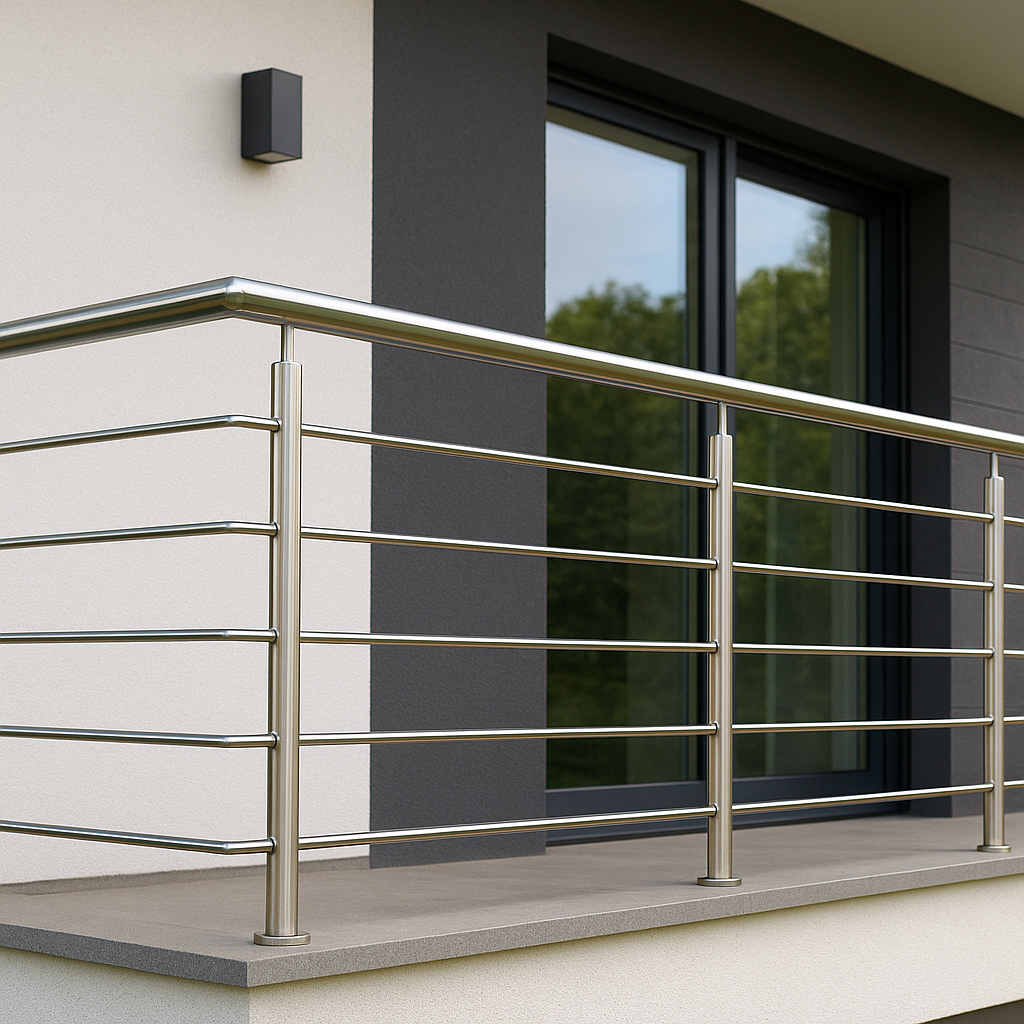
Balcony Railings - Perfect for high rise units, landed homes, and outdoor spaces.
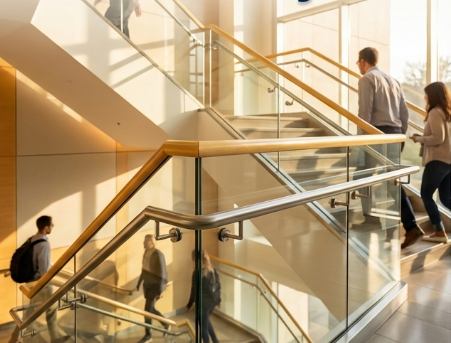
Staircase Railings - Both residential and commercial staircases require strong, stable railings for safety.
Glass + Stainless Steel Hybrid Railings - A combination of stainless steel frames and tempered glass panels for a high end, modern look.
Horizontal Railings - Simple, clean, and minimalistic commonly used in offices or modern concept homes.
Vertical Railings - Traditional look, good for safety, especially in homes with kids.
Handrails - Often installed in stairways, hospital corridors, factories, and public buildings.
Industrial Railings -These are heavy-duty railings designed for factories, plants, warehouses, machine platforms and loading docks
Different applications require different fabrication expertise which is why picking the right fabricator is crucial.
What “Good” Stainless Steel Railing Fabricators Should Provide
When search for stainless steel railing fabricators, you’ll find many options. But how do you know who’s actually good? Here’s what sets professional fabricators apart from average ones:
1. Experience With Stainless Steel Work
Fabricating stainless steel is not the same as fabricating mild steel.
It requires:
- The right welding method
- Proper polishing and finishing
- Clean and precise joint work
Only experienced fabricators can deliver strong, seamless, and long lasting railings.
2. Ability to Customize
Good fabricators don’t just say “yes, can do.”
They:
- Measure
- Advise
- Recommend
- Design solutions
- Suggest better materials
3. Use of Quality Stainless Steel Grades
For railings, the most suitable grades are 304 for indoor use or 316 for outdoor or coastal areas (best for corrosion resistance). If the fabricator can’t explain the difference, that’s a red flag.
4. Strong & Clean Welding
A railing may look good from far, but weak welding is dangerous. This makes the railing not only beautiful but also safe. Quality welds are:
- Smooth
- Clean
- Even
- Well-polished
- Seamless after grinding
5. Good Polishing & Finishing Work
Professional railing fabricators ensure the finishing is smooth and consistent. You should never see:
- Sharp edges
- Burn marks
- Weld lines
- Dents
- Uneven shine.
6. Site Installation Skills
Even if the fabrication is perfect in the workshop, poor installation can ruin everything.
Good fabricators:
- Measure accurately
- Install steadily
- Align precisely
- Seal and anchor safely
7. Transparent Pricing
They should explain cost factors such as:
- Length
- Height
- Material grade
- Design complexity
- Site difficulty
- Finishing type
How Much Do Stainless Steel Railings Cost?
Prices depending on:
- Grade (304 vs 316)
- Design complexity
- Height and total length
- Polishing type
- Whether glass is included
- Location and installation difficulty
Cheap contractors may offer very low prices, but:
- They often use lower-grade materials
- Welds may be weak
- Polishing is poor
- Railings may rust faster
- Final results might be uneven or unsafe
Always compare value, not just price.


Email : info@huphing.my
Contact : 016-330 2905
KILANG KEJENTERAAN HUP HING SDN BHD



