


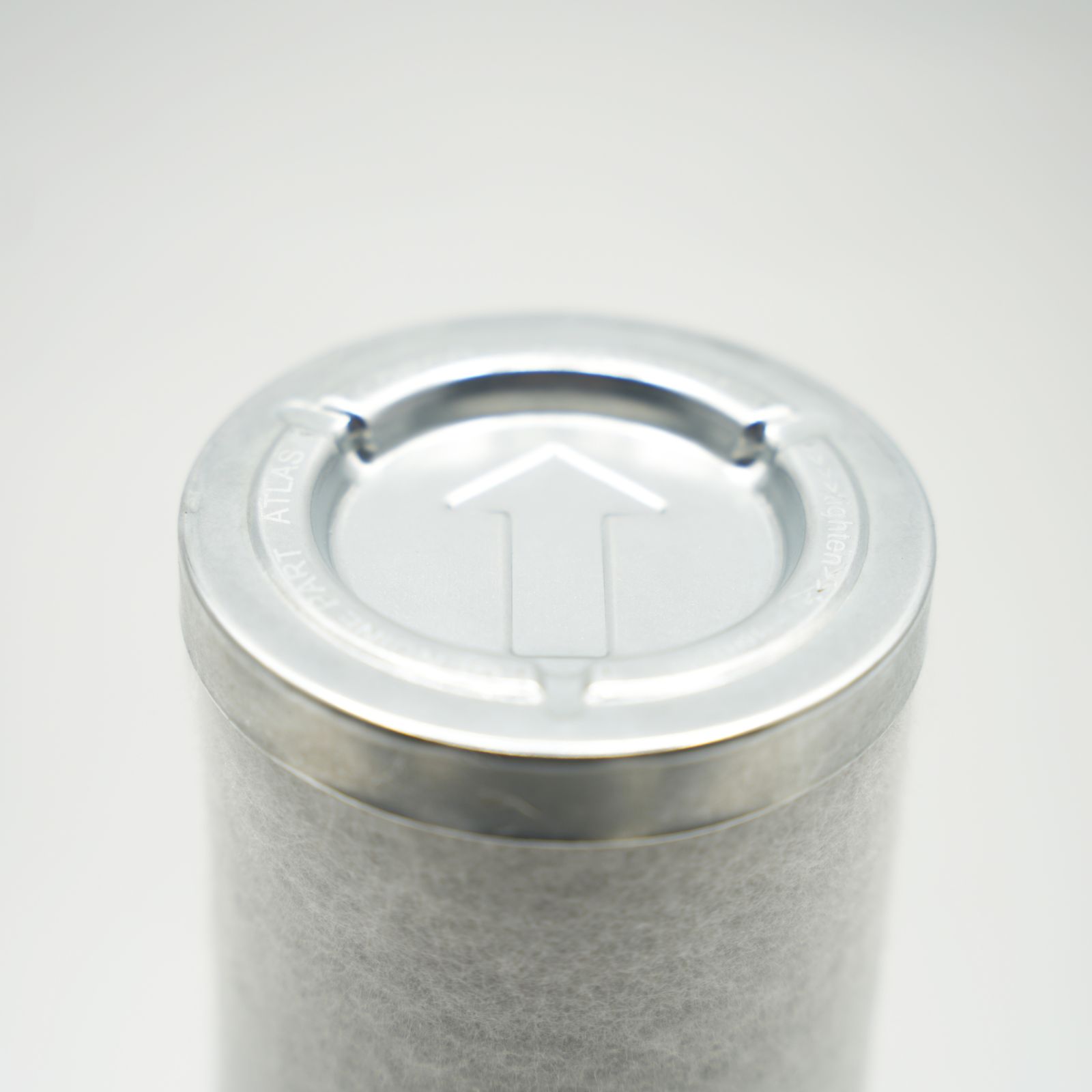

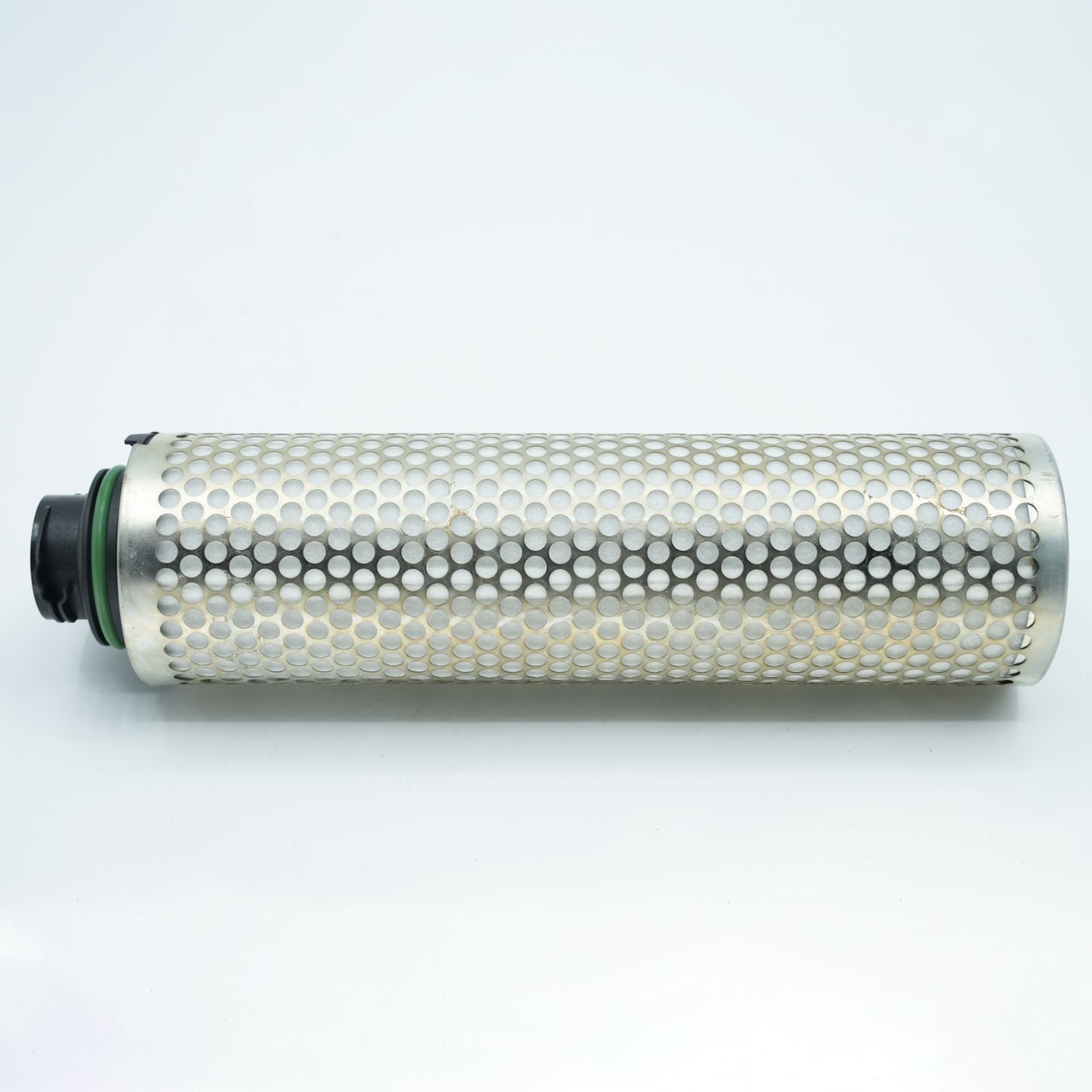
Introduction to Vacuum Pump Oil Mist Separator
A vacuum pump oil mist separator (also known as an exhaust filter or oil-air separator) is a critical accessory installed on the exhaust port of an oil-sealed vacuum pump. Its primary function is to capture, filter, and separate the tiny oil droplets and mist entrained in the exhaust stream during pump operation, ensuring that the expelled gas is clean and free of oil.
Key Function and Principle
- Operating Principle: During operation, the vacuum pump's lubricating oil creates an oil mist that is carried out with the exhaust gas. The oil mist separator typically contains a high-efficiency fiber filter element (such as micro-glass fibers). As the oil-laden gas passes through these fibrous layers, the oil molecules collide and coalesce into larger droplets. These droplets fall to the bottom of the filter by gravity and are usually returned to the pump's oil reservoir via a return line for reuse.
- Filtration Efficiency: An efficient oil mist separator can remove approximately 90% or more of the oil mist, ensuring that the exhaust meets environmental standards.
- Creates a Clean Environment: Effectively prevents oil mist from diffusing into the operating environment, avoiding contamination of facilities and the atmosphere, and ensuring a clean, safe workplace that complies with health regulations.
- Oil Recovery and Reuse: The separated oil can be recovered and returned to the pump for repeated use, significantly saving on costly lubricating oil consumption and reducing operating costs.
- Protects Operator Health: Reduces the potential health risks of airborne oil particles to the operators' respiratory systems.
- Noise Reduction: Oil mist separators often have a sound-dampening function, helping to reduce the operating noise of the vacuum pump.
- Prevents Backpressure Issues: Regular maintenance and replacement of the filter element are crucial to prevent the filter from clogging, which can lead to increased backpressure in the pump, affecting pump performance or even causing equipment failure.



