


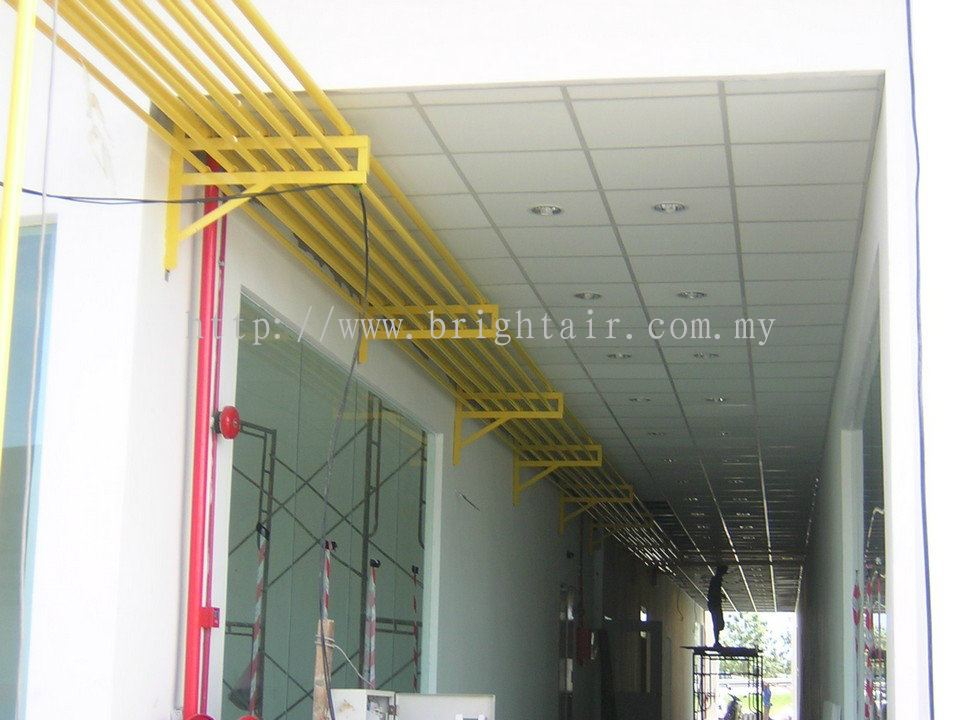
Gas Piping System
Install a safe, reliable Gas Piping System for industrial and commercial facilities—covering planning, material selection, installation, testing, and maintenance for natural gas (NG) and LPG service lines.
What is a Gas Piping System used for?
A Gas Piping System transports fuel gas safely from the main supply or storage (NG pipeline or LPG tank manifold) to end-use equipment. The system includes isolation valves, pressure regulation, and branch distribution to ensure the correct flow and pressure at each consumption point.
Well-planned gas piping improves safety and reliability by reducing pressure drops, minimizing leak points, and making isolation/maintenance faster during shutdowns.
Why choose a properly engineered gas piping network?
Fuel gas is a critical utility. A correct design helps protect people and assets while ensuring your burners and process equipment operate consistently.
Improved Safety & Control
Isolation valves and safe routing make emergency response and maintenance more effective.
- Clear isolation points and zoning
- Reduced leak risk with proper joints
- Controlled pressure regulation
Reliable Burner Performance
Stable pressure and flow help avoid flame instability and production interruptions.
- Correct pipe sizing for demand
- Reduced pressure drop at branches
- More consistent combustion
Maintenance-Friendly Layout
Good access and labeling reduce downtime during inspection and shutdown works.
- Accessible valves and regulators
- Clear labeling and flow direction
- Planned supports and expansion allowance
- Boilers and steam generators
- Ovens, dryers, and furnaces
- Burners for process heating
- Commercial kitchens and canteens
- Hot water systems and heaters
- Gas manifold and distribution headers
How does a Gas Piping System installation work?
Gas piping projects follow a controlled workflow—planning the route, selecting materials and safety components, installing with qualified workmanship, then testing and commissioning to verify leak integrity and operating pressure.
Project scope (typical)
- Site survey (equipment load, routing, ventilation, access).
- Design & sizing (flow demand, pipe diameter, pressure drop).
- Safety components (regulators, shut-off valves, strainers, vent points).
- Installation (supports, welding/threading as specified, labeling).
- Testing (pressure test, leak check, purge procedures as required).
- Commissioning (verify regulator set points and equipment performance).
What you get
- Stable gas delivery to each equipment point
- Reduced leakage risk through verified testing
- Clear isolation for maintenance and emergency response
Important: Gas piping must be installed and tested in accordance with applicable codes, authority requirements, and site safety procedures.
What maintenance does a Gas Piping System need?
Routine inspection helps keep gas systems safe. Maintenance typically focuses on leak checks, valve/regulator function, supports, and ensuring that ventilation and access around gas equipment remain unobstructed.
Routine checks
- Perform scheduled leak checks at joints and valves
- Inspect pipe supports, clamps, and corrosion points
- Confirm valve operation and clear labeling
If you detect unusual odor, shut off safely (if trained) and follow emergency procedures immediately.
Regulator & equipment checks
- Verify regulator set pressure remains stable
- Check strainers/filters where installed
- Inspect flexible connectors for wear (if used)
A small pressure change can affect combustion quality and efficiency.
FAQ
Common questions about gas line installation, safety components, and compliance.
Note: Always follow your facility’s safety procedures and local regulations for gas piping, testing, and commissioning.



