


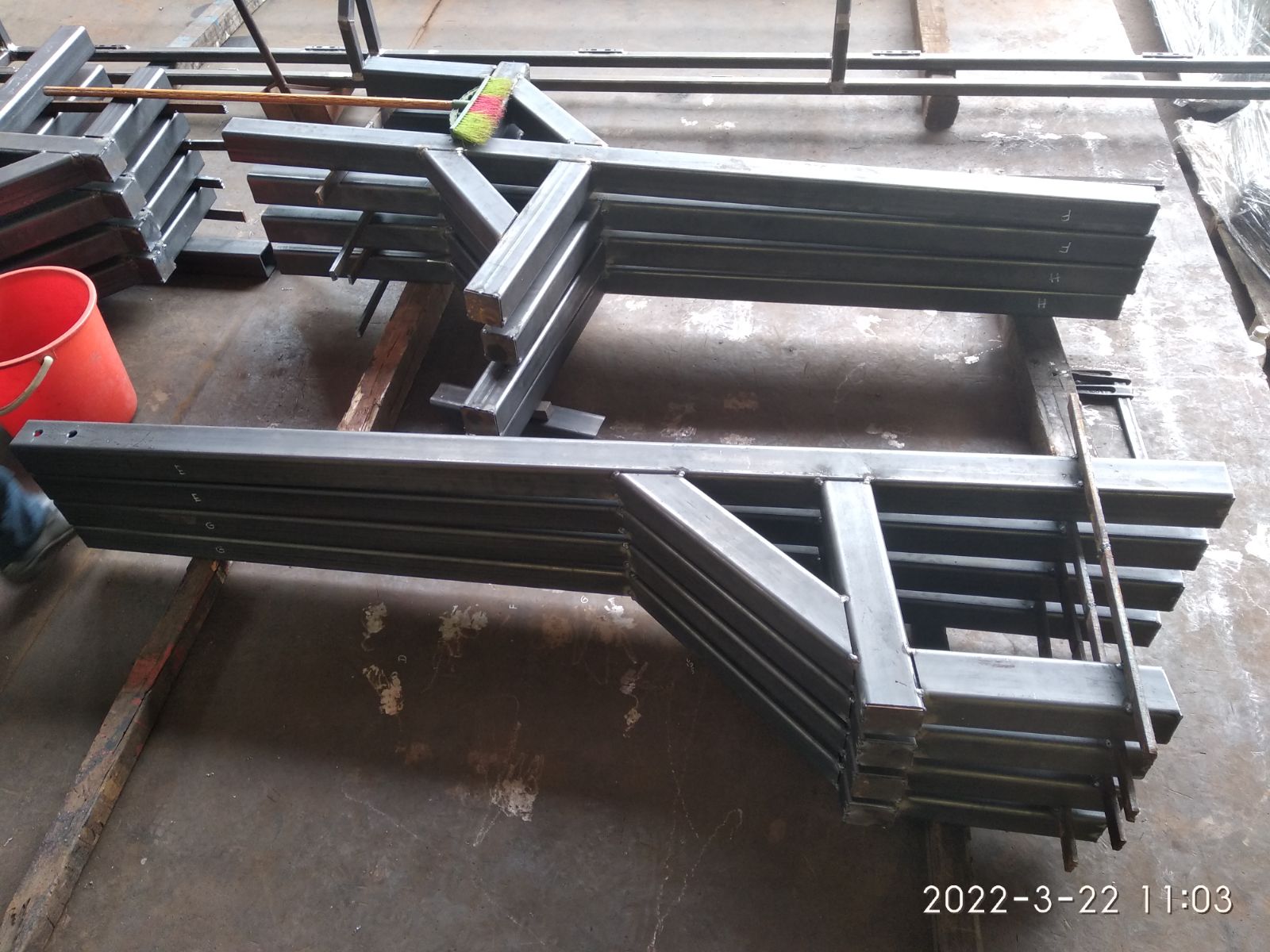
Structural Testing: Ensuring Safety Before Delivery
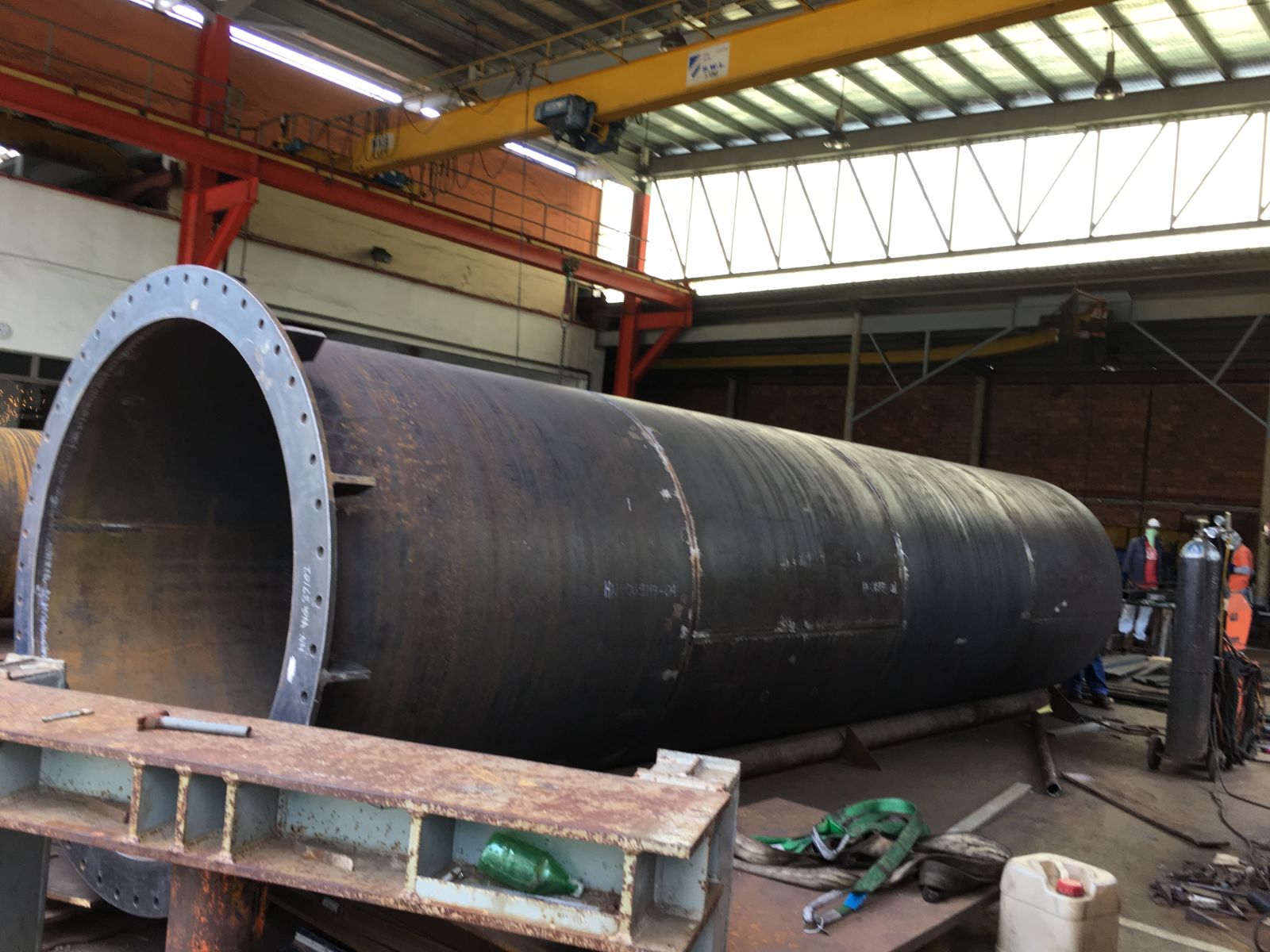
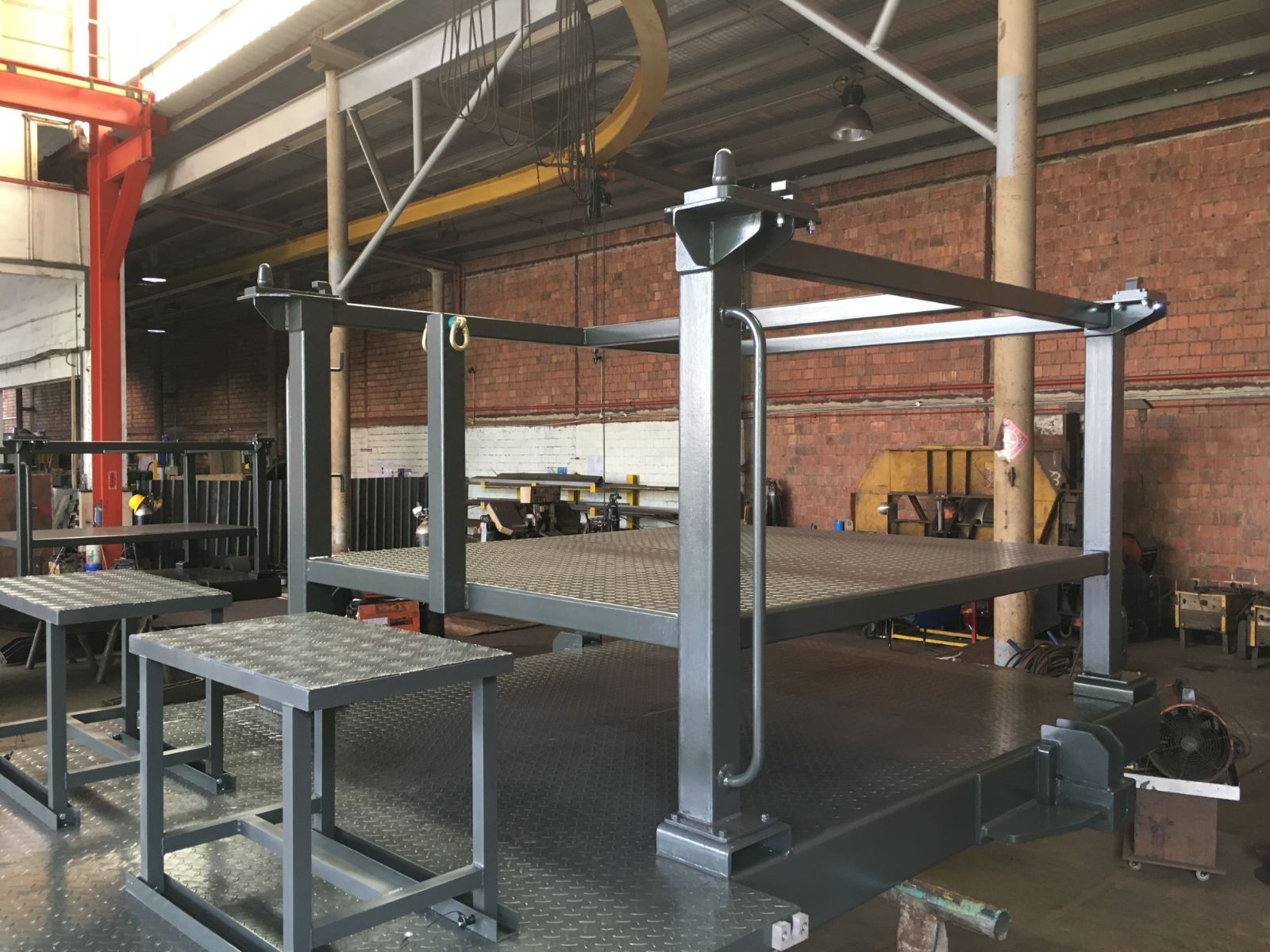
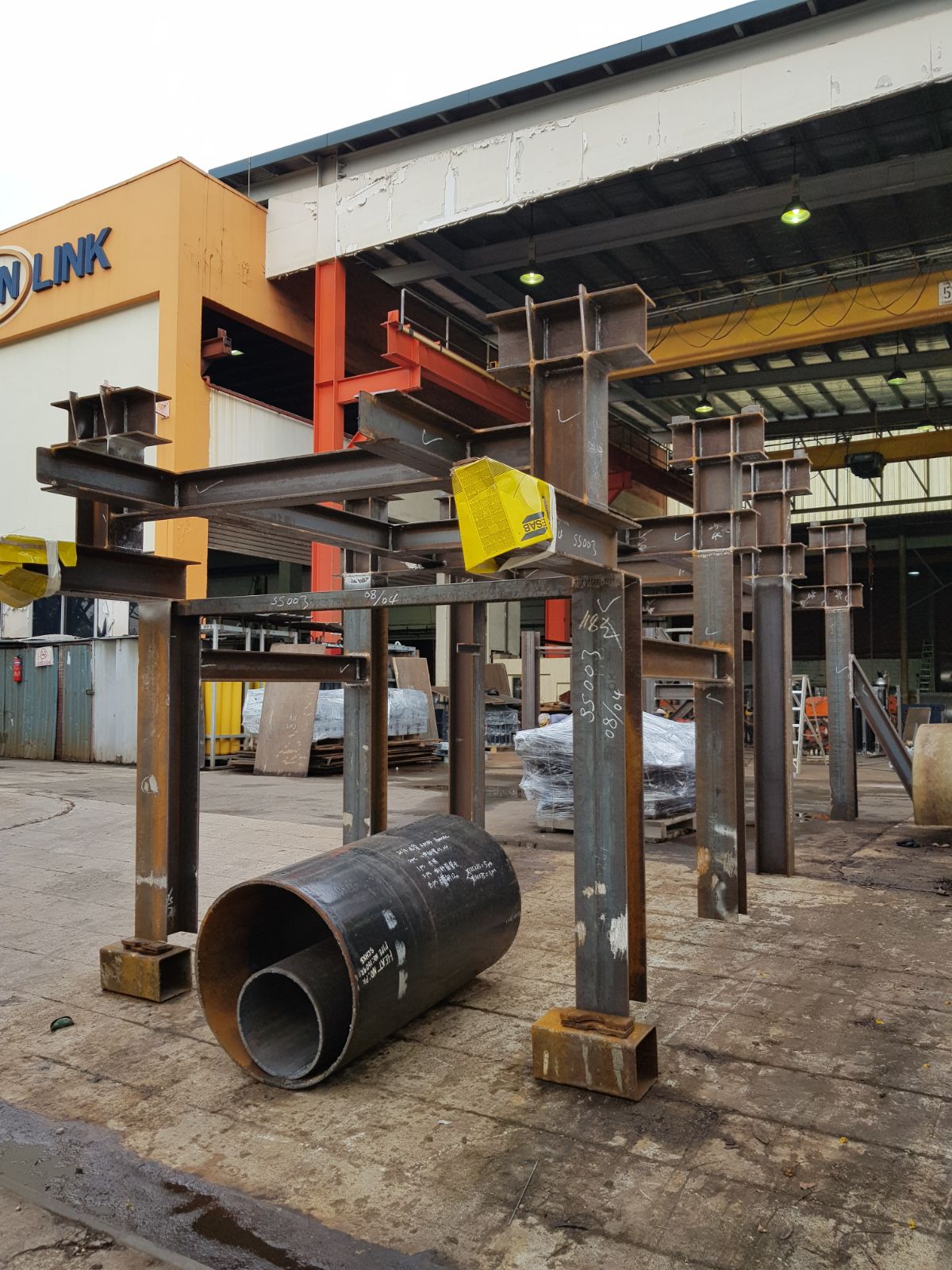
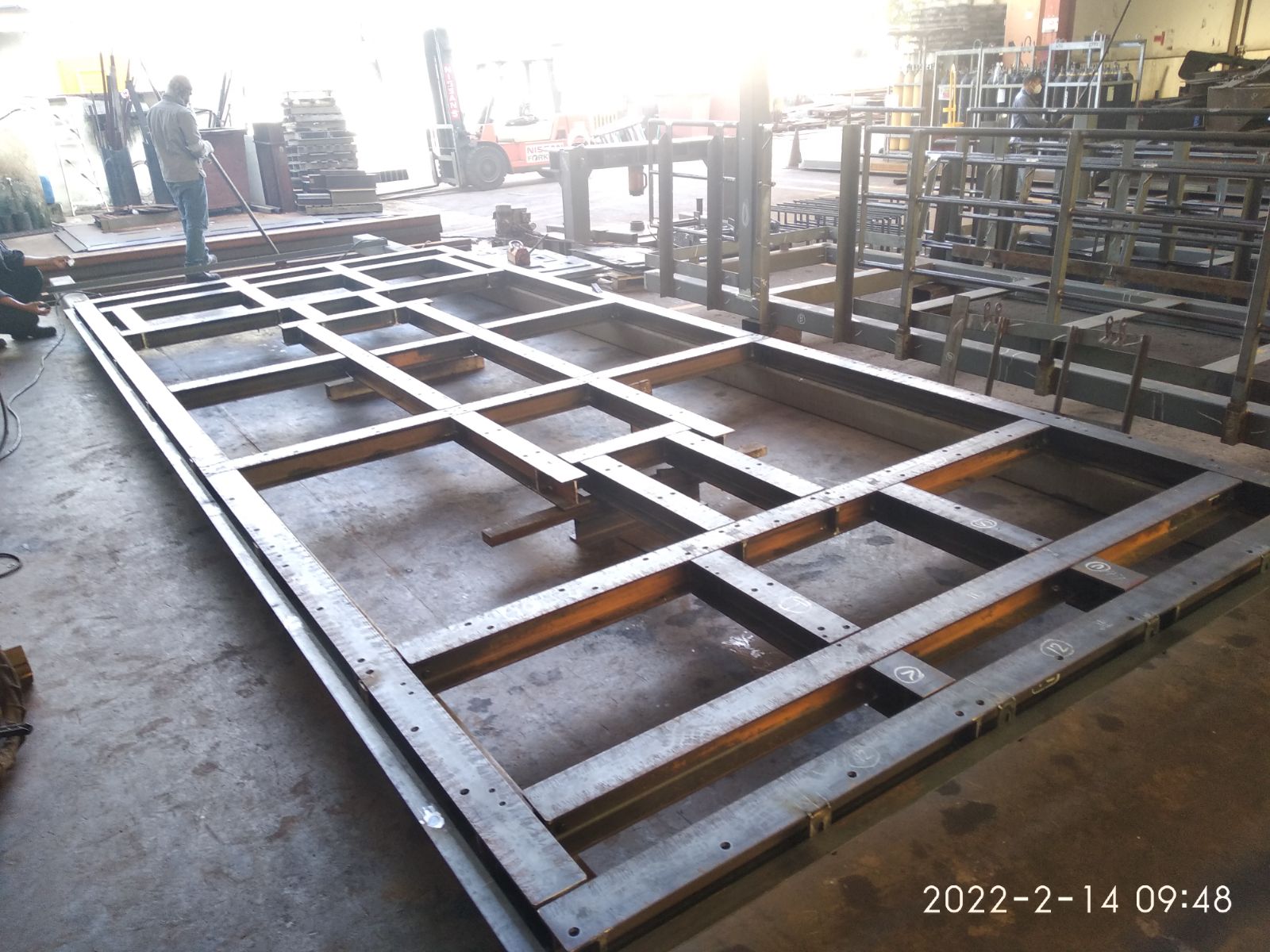
Structural testing plays an indispensable role in the safety, performance, and longevity of metal fabrication products. More than just a routine process, it fortifies the structural integrity that holds, aligns, protects, and increases the lifespan of your metal engineering projects.
For engineers and decision-makers, taking deliberate steps during the structural testing phase can help prevent potential structural failures, misalignment problems, and costly operational issues later on. Here are some key considerations to bear in mind when specifying structural testing in metal fabrication.
1. Load Calculations and Structural Strength:
Understanding the total system weight is paramount, including all components and materials used. Considering both static loads and dynamic loads during operation and transport is crucial. Suitable beam sizing, reinforcements, and plates can help ensure against deflection and fatigue over time.
2. Vibration Isolation and Alignment:
Handling continuous vibration during operation is fundamental. Key considerations include flat and level mounting surfaces, accurate bolt hole positioning, and integration with vibration isolators or anti-vibration pads.
3. Lifting and Handling Provisions:
Metal fabricated products are often relocated during installation or maintenance. Adequate planning for lifting and handling provisions helps avoid potential accidents and damage.
4. Environmental Exposure and Surface Protection:
Often, metal fabrications are installed outdoors. Therefore, material and finishing selection should match the environment, whether indoor, outdoor, coastal, or marine.
5. Integration with Enclosures:
Many metal fabrications are paired with protective enclosures. Engineers must ensure proper mounting interfaces, sufficient ventilation openings, space for cable and piping routing, and clearance for maintenance access.
6. Compliance and Documentation:
Certain industries require Weld procedure specifications (WPS), material traceability, load certifications, and quality inspection records. Coordination with the fabricator ensures compliance requirements are incorporated into the testing process.
7. Logistics and Installation Constraints:
Designing with logistical consideration can prevent costly modifications at the site.
Conclusion: Comprehensive Structural Testing
Thorough structural testing calls for a meticulous focus on the process's integrity, control, safety, and environmental protection. A well-planned testing process ensures reliable performance, easier installation, and reduced long-term maintenance issues.
At Sunlink Engineering, our ISO Qualified for ISO 9001 (Quality) and ISO 45001 (Occupational Health & Safety) facilities in Singapore and Malaysia, we execute these processes to the finest detail and precision, ensuring optimal results every time.
Sunlink Engineering Pte Ltd
Sunlink Engineering Sdn Bhd
+65 9387 5463 (Call or WhatsApp) – Singapore
+60 17 2140 411 (Call or WhatsApp) – Malaysia (JB)
https://www.sunlinkmetal.com/contactus/ ISO 9001 (Quality) and ISO 45001 (Occupational Health & Safety) ISO 9001 (Quality) and ISO 45001 (Occupational Health & Safety)



