


It’s 3 PM on a typical Tuesday, and you’re reading an email when you suddenly notice a dull ache creeping into your shoulders. Sound familiar? You’re not alone. Prolonged sitting without a proper ergonomic setup is a common culprit behind lower back pain, headaches, lethargy, and stiffness in the shoulders and neck.
The good news is that you can counteract the effects of bad posture and sedentary habits by incorporating some simple stretches into your work routine. These exercises are easy to do at your desk or chair and are effective at warming up and loosening tight muscles.
Office-Friendly Stretches for Posture and Tension Relief
Chest Stretch

This stretch helps open up the chest and improve posture.
- Stand tall and clasp your hands behind your back.
- Gently pull your hands downward and away from your back while lifting your chest.
- Hold for 30 seconds.
Standing Forward Bend
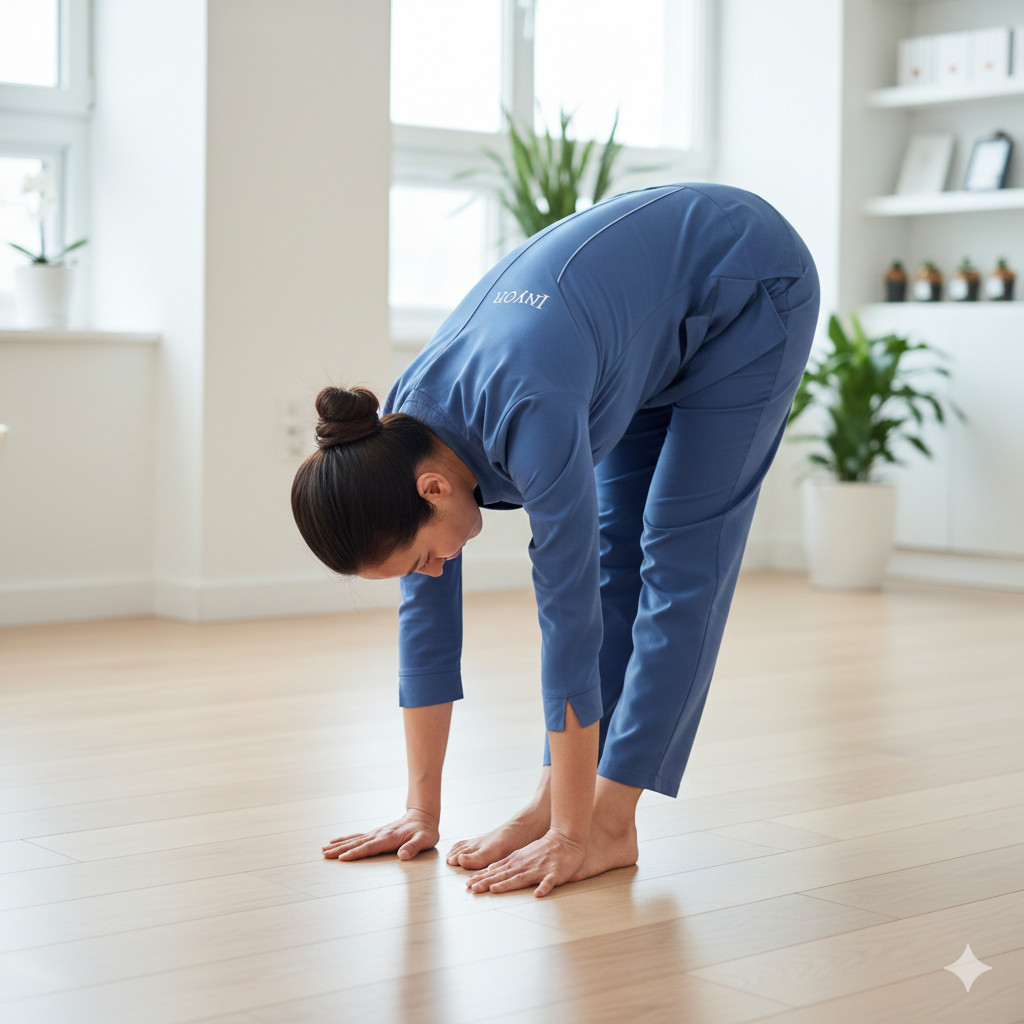
Ideal for releasing tension in the shoulders, neck, and lower back while correcting hunchback posture.
- Stand behind your chair with some space between you and the chair.
- Raise your arms above your head and bend forward from your hips while keeping your back straight.
- Hold onto the back of your chair for support and stay in this position for 30 seconds.
- Slowly return to a standing position.
Spinal Twist
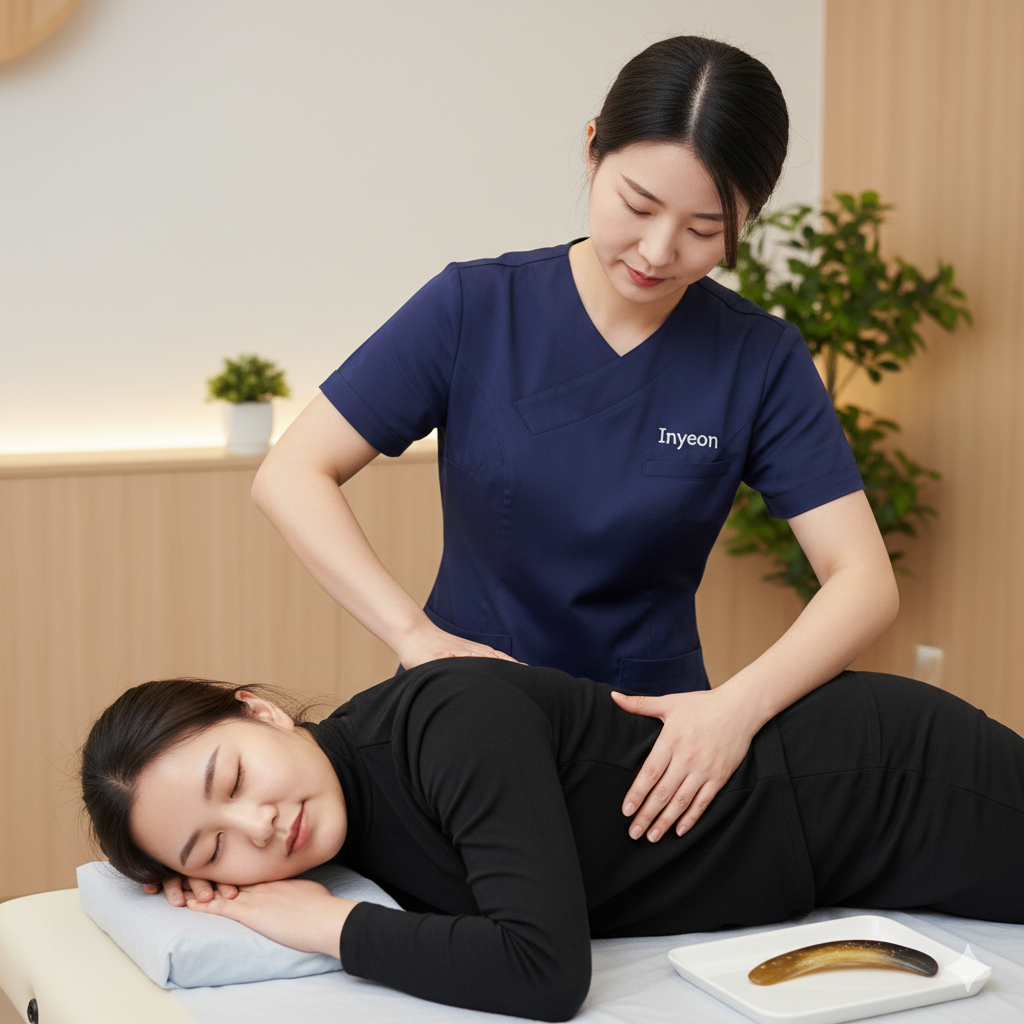
Relieve lower back stiffness with this simple twist.
- Sit firmly in your chair.
- Engage your core and slowly twist your torso to one side.
- Hold for 30 seconds, then return to the center and repeat on the other side.
Upper Arm Stretch
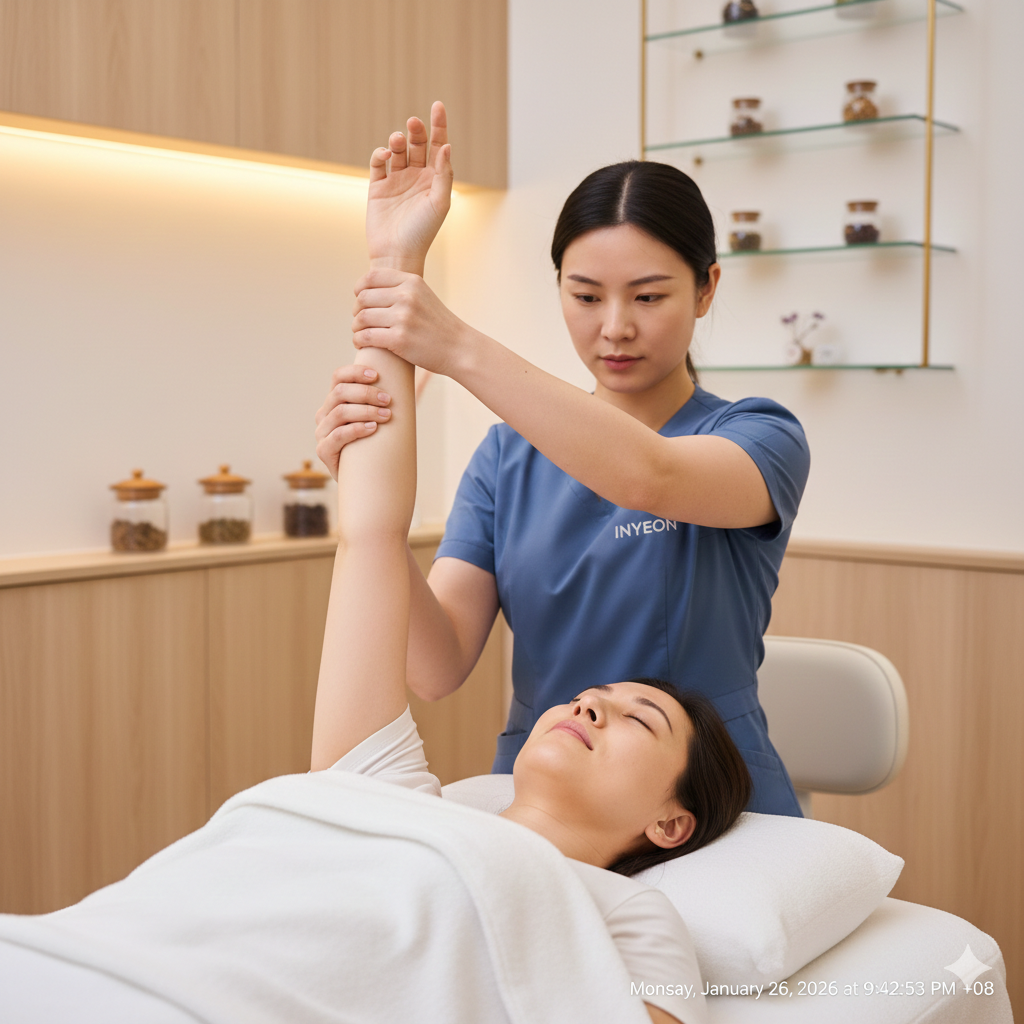
A quick way to relieve tension in your arms and shoulders.
- Raise both arms overhead, clasp your fingers, and stretch upward toward the ceiling.
- Hold for 30 seconds.
Tricep Stretch
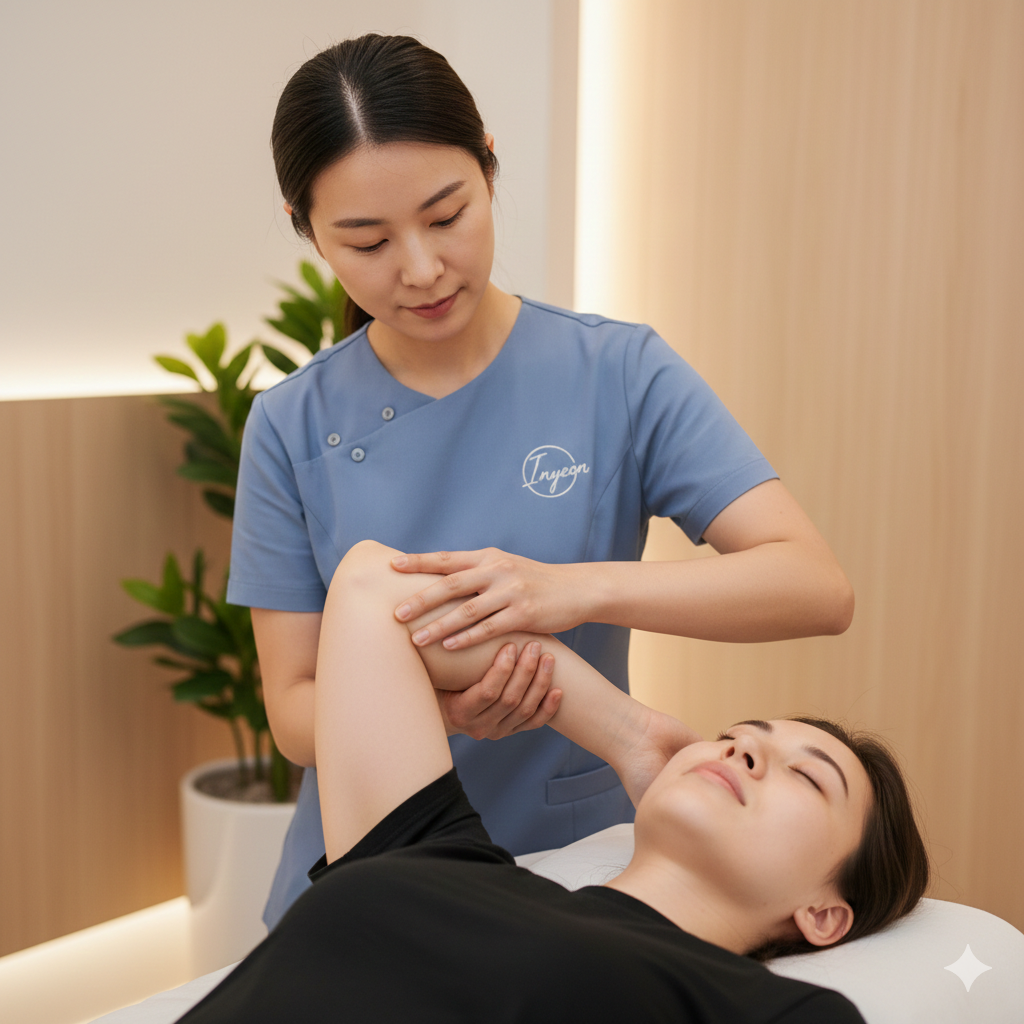
Loosen your triceps and upper arms.
- Raise one arm overhead and bend it backward, reaching for the opposite side.
- Use your other hand to gently pull your elbow toward your head.
- Hold for 30 seconds, then switch arms.
Overhead Reach

A simple stretch to elongate your sides and improve flexibility.
- Lift one arm overhead and reach toward the opposite side.
- Hold for 30 seconds, then repeat with the other arm.
Cat-Cow Pose
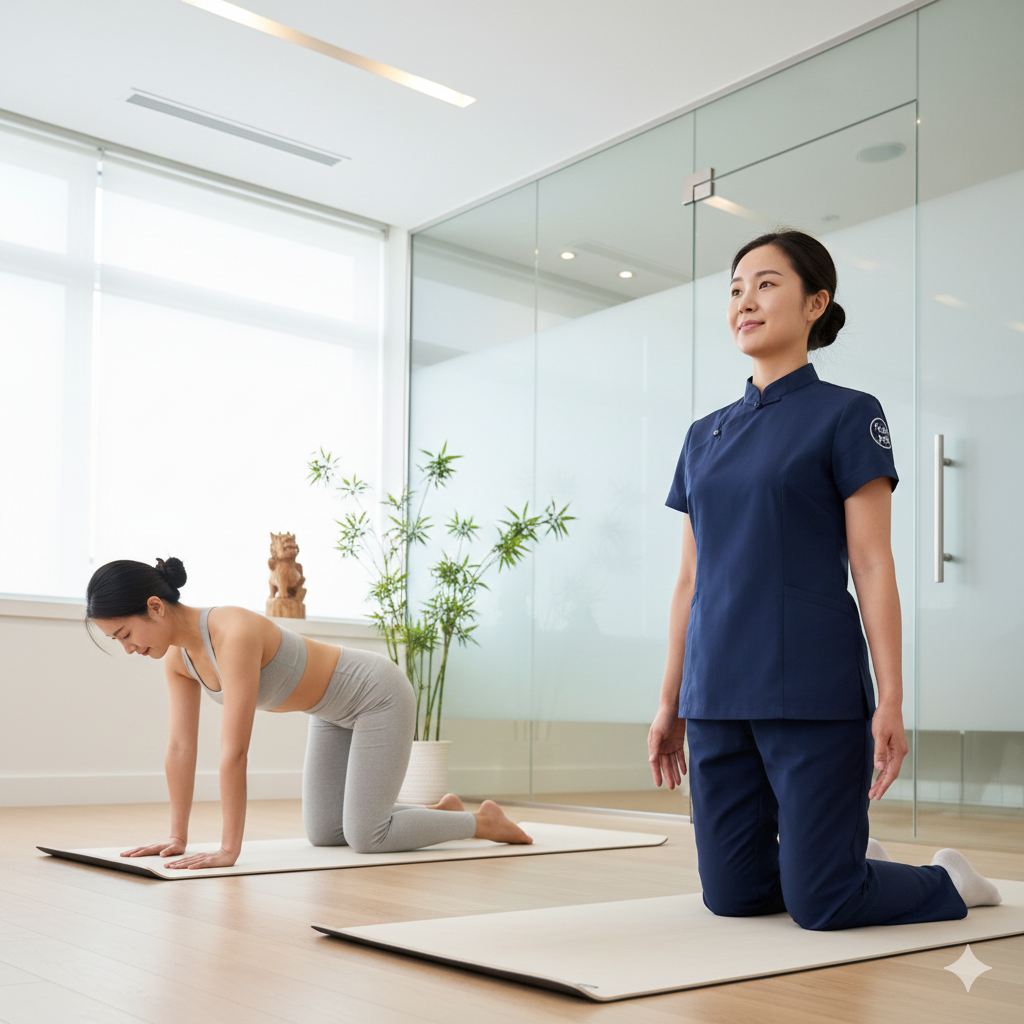
If you have enough space, this yoga-inspired move is excellent for spinal alignment.
- Get on all fours with your hands and knees shoulder-width apart.
- Tuck your chin toward your chest, tighten your core, and curve your back upward (like a cat). Hold for 10 seconds.
- Inhale and arch your back, pointing your head and tailbone toward the ceiling.
Eagle Arm Twist

This stretch targets the shoulders and upper back.
- Extend your arms forward at shoulder height.
- Cross one arm over the other and raise your forearms, clasping your palms together.
- Hold for 30 seconds, then switch arms.
- If clasping your palms isn’t possible, press the backs of your hands together instead.
Stretching Tips for Maximum Benefit
- Take deep breaths while stretching; avoid holding your breath.
- Listen to your body and avoid overstretching to prevent injury.
- Over time, these stretches will improve your flexibility and reduce tension
Why Workplace Stretching Matters
With many people working from home or sitting for extended periods, it’s more important than ever to incorporate regular stretching into your day. These exercises not only alleviate discomfort but also leave you feeling more energized and focused.
Take a break, stretch it out, and notice the difference in your posture and productivity!
More testimonial Before & After -Please click the link https://www.inyeontcm.com.sg/customer-testimonial
Simple Stretches for Better Posture at Work – FAQ
1. Why are stretches important for posture at work?
Stretches are movements that relieve muscle tension, improve circulation, and support spinal alignment. In Singapore offices, prolonged sitting can cause neck, shoulder, and back discomfort. Regular stretching helps maintain proper posture, reduce stiffness, and enhance overall comfort during long hours at a desk.
2. What are simple neck stretches I can do at work?
Neck stretches involve slowly tilting your head side to side and holding each position for 10–15 seconds. In Singapore workplaces, these stretches are suitable at your desk or in small office spaces. They help reduce neck stiffness and tension caused by computer use and prolonged sitting.
3. How can I stretch my shoulders at work?
Shoulder stretches include rolling shoulders backward and forward or clasping hands behind your back while gently lifting. In Singapore offices, these stretches relieve shoulder stiffness from typing or screen time and promote better posture, circulation, and comfort during long working hours.
4. What chest stretches improve posture at work?
Chest stretches involve opening your arms wide or placing hands on a doorway and leaning forward gently. These stretches counteract slouching and rounded shoulders common in office workers in Singapore. They help expand the chest and support a more upright, balanced posture.
5. How can I stretch my lower back while sitting?
Seated lower back stretches include twisting your torso to each side or pulling your knees toward your chest. In Singapore office environments, these movements help release tension in the lumbar region caused by prolonged sitting and support spinal alignment for better posture.
6. Are leg and hip stretches important for posture?
Yes, stretching hips, hamstrings, and calves helps prevent tightness that affects spinal alignment. Simple seated or standing stretches in Singapore offices improve lower back support, reduce discomfort, and enhance posture for those who sit for long periods.
7. How often should I do posture stretches at work?
Short stretches every 1–2 hours are recommended. In busy Singapore offices, even 2–3 minutes per session can relieve stiffness and prevent poor posture. Consistent stretching helps maintain spinal alignment and reduces fatigue over the workday.
8. Can stretching help prevent long-term posture problems?
Yes, regular stretching supports spinal flexibility, reduces muscle imbalances, and promotes proper alignment. In Singapore workplaces, incorporating stretches into your routine can help prevent chronic discomfort, stiffness, or postural issues caused by prolonged desk work.
9. Can TCM therapies support posture alongside stretches?
Yes, TCM therapies like Bojin massage, Gua Sha, and cupping in Singapore can complement stretching. These treatments help release muscle tension, improve circulation, and support posture by addressing deeper muscle and meridian pathways beyond what stretches alone achieve.
10. Who should incorporate posture stretches into their routine?
Posture stretches are suitable for anyone working long hours at a desk or using computers in Singapore. Office workers, students, and home-based professionals benefit from regular stretches to reduce stiffness, improve posture, and support overall wellness alongside TCM treatments.