


The Difference Between a Slipped Disc and a Muscle Strain
Back pain is one of the most common health complaints worldwide. However, not all back pain has the same cause. Two conditions that are frequently confused are a muscle strain and a slipped disc. Although both can cause discomfort and limit movement, they involve different structures in the body and require different treatment approaches. Understanding these differences is important for proper recovery and preventing long-term complications.
Understanding the Structure of the Spine and Muscles
The human spine is made up of vertebrae (bones) stacked on top of each other, with intervertebral discs acting as cushions between them. These discs absorb shock and allow flexibility in the spine. Surrounding the spine are muscles, ligaments, and tendons that support movement, maintain posture, and stabilize the body.
Pain can originate from either the muscles supporting the spine or the discs between the vertebrae, which is why symptoms sometimes appear similar at first.
What Is a Slipped Disc?
A Herniated Disc, commonly referred to as a slipped disc, occurs when the soft inner portion of a spinal disc pushes through a tear in the tougher outer layer. When this happens, the protruding disc material may press on nearby nerves.
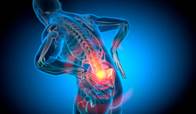
This condition most often occurs in the lower back (lumbar spine) or the neck (cervical spine).
Common Causes of a Slipped Disc
Several factors can contribute to disc herniation:
- Improper lifting techniques
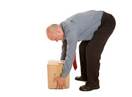
- Sudden twisting or bending movements
- Degeneration of discs with age
- Repetitive stress on the spine
- Prolonged sitting with poor posture

- Trauma or accidents
Symptoms of a Slipped Disc
Symptoms often depend on whether the disc is pressing on a nerve.
Typical symptoms include:
- Sharp or burning back or neck pain
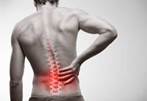
- Pain that radiates to the arm or leg
- Numbness or tingling in the limbs
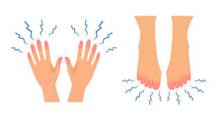
- Muscle weakness
- Increased pain when sitting, coughing, or bending
- Reduced mobility or difficulty standing straight
What Is a Muscle Strain?
A Muscle Strain occurs when muscle fibers or tendons are stretched beyond their normal capacity or torn. This type of injury typically affects the muscles that support the spine and is one of the most frequent causes of acute back pain.
Muscle strains often result from overuse, sudden movement, or excessive physical effort.
Common Causes of Muscle Strain
- Lifting heavy objects incorrectly
- Sudden twisting motions
- Overexertion during sports or exercise
- Poor posture for extended periods
- Muscle fatigue
- Lack of proper warm-up before activity
Symptoms of a Muscle Strain
Unlike disc problems, muscle strain usually produces localized pain rather than nerve-related symptoms.
Common signs include:
- Dull or aching pain in the back
- Muscle tightness or stiffness
- Pain that worsens with movement
- Muscle spasms
- Tenderness when pressing on the affected area
- Limited flexibility
Key Differences Between a Slipped Disc and a Muscle Strain
| Feature | Slipped Disc | Muscle Strain |
| Structure affected | Spinal disc | Muscle or tendon |
| Pain pattern | Often radiates to arms or legs | Usually localized to one area |
| Nerve symptoms | Common (numbness, tingling, weakness) | Rare |
| Pain type | Sharp, burning, or shooting | Dull, aching, or tight |
| Recovery time | Several weeks to months | A few days to a few weeks |
| Treatment focus | Nerve decompression, spinal rehabilitation | Muscle healing and strengthening |
How Physiotherapy Helps in Both Conditions
Physiotherapy plays a crucial role in treating both muscle strains and slipped discs. Early assessment helps determine the exact cause of the pain and prevents the condition from worsening.
At Urban Sports & Physio Centre, physiotherapy treatment typically includes:
Comprehensive Assessment
A detailed evaluation of posture, mobility, muscle strength, and nerve involvement helps determine whether the pain originates from muscles or spinal discs.
Pain Management Techniques
Therapists may use manual therapy, soft tissue techniques, and specialized equipment to reduce pain and inflammation.
Targeted Rehabilitation Exercises
Exercises are designed to:
- Strengthen core muscles
- Improve spinal stability
- Restore mobility and flexibility
- Reduce pressure on spinal discs
Patients learn correct sitting, lifting, and movement techniques to prevent recurrence.
When Should You Seek Professional Help?
You should consult a healthcare professional if:
- Back pain persists for more than a week
- Pain radiates to the arms or legs
- You experience numbness or tingling
- Pain becomes severe or limits daily activities
- There is muscle weakness
How Urban Sports & Physio Centre Can Help
When dealing with persistent back pain caused by conditions such as a Herniated Disc (slipped disc) or a Muscle Strain, early and appropriate treatment plays a vital role in recovery. Professional physiotherapy not only helps reduce pain but also restores movement, strengthens supporting muscles, and prevents the problem from recurring.
At Urban Sports & Physio Centre, patients receive a comprehensive and personalized rehabilitation program designed to address the root cause of their back pain rather than just managing symptoms.
Conclusion
Back pain can arise from many causes, but two of the most commonly confused conditions are a Herniated Disc (slipped disc) and a Muscle Strain. While both may produce discomfort and limit daily activities, they involve different structures in the body and present with different symptoms. A muscle strain typically affects the soft tissues supporting the spine and often results in localized pain that improves with rest and proper rehabilitation. In contrast, a slipped disc involves damage to the spinal discs and may compress nearby nerves, leading to radiating pain, numbness, or weakness.
Because the symptoms can sometimes overlap, it is important not to rely solely on self-diagnosis. Receiving a proper clinical assessment helps determine the exact source of pain and ensures the right treatment approach is applied. Early management can significantly reduce recovery time and prevent the condition from becoming chronic.
With professional care at Urban Sports & Physio Centre, patients can benefit from a structured rehabilitation program that focuses on pain relief, improving spinal mobility, strengthening supporting muscles, and correcting posture. Through personalized physiotherapy treatment and education, individuals can recover safely, restore normal function, and reduce the risk of future back injuries.
Ultimately, understanding the difference between these conditions and seeking appropriate treatment early can help individuals maintain a healthier spine and continue their daily activities with greater comfort and confidence.
#BackPainAwareness#SlippedDiscEducation#MuscleStrainRecovery#SpineHealthMatters#UnderstandYourBackPain#BackPainReliefTips#SpinalHealthEducation#NervePainRelief#PhysiotherapyForBackPain#RehabAndRecoverJB#BackPainTreatmentJB#PhysiotherapyWorksJB#SpineCareJB#UrbanSportsPhysioJB#PhysioCareJB#RehabCentreJohorBahru#BackPainHelpJB#SlippedDiscRecoveryJB#MuscleStrainTreatmentJB#UrbanSportsAndRehabCentre#InjuryPreventionJB



