


Down syndrome is one if the most common chromosomal condition that a baby can be born with. it is the most common cause of significant mental retardation and learning disability in children. It can happen to anyone regardless of age but much more higher risk in older women.
Down syndrome is also known as Trisomy 21.
What causes Down syndrome?
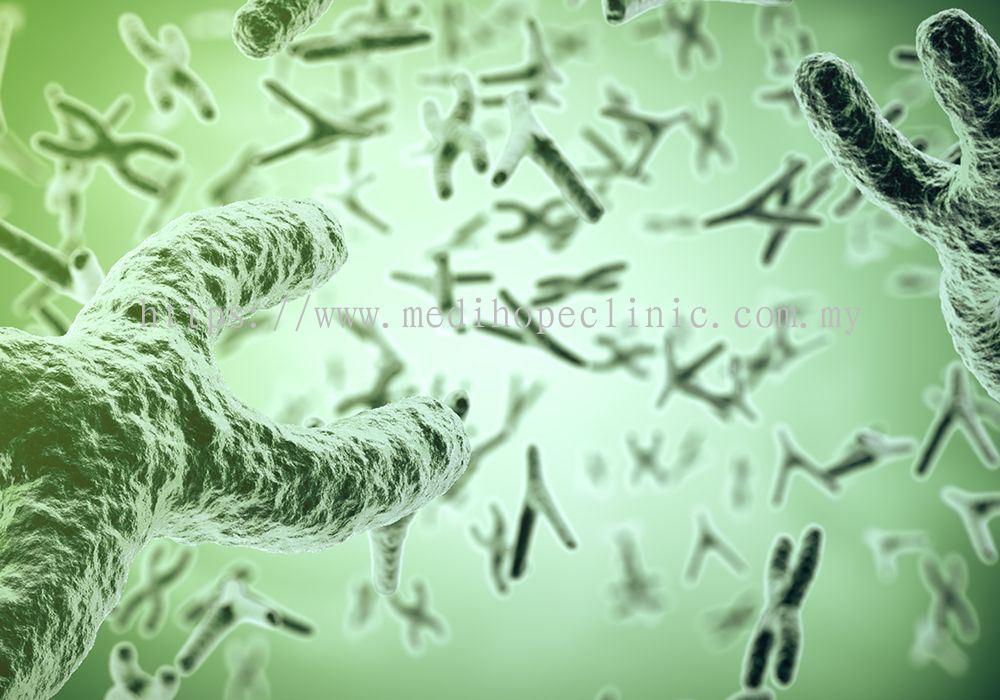
Normally, every cell in the human body — except egg and sperm cells — has 46 chromosomes. The egg and sperm cells normally have 23 chromosomes each.
The most common cause of Down syndrome is when an extra copy of chromosome 21 randomly appears in either the egg or sperm. At conception, when the egg and sperm meet, the extra copy of chromosome 21 grows throughout all of the embryo’s cells, giving them each 47 chromosomes instead of the usual 46.
Less commonly, the extra copy of the chromosome can appear in some of the embryo’s cells after conception. This is called mosaicism and results in some cells having 46 chromosomes and some having 47.
Another rare form of the syndrome is caused by ‘Robertsonian translocation’. This occurs when a piece of chromosome 21 breaks off and becomes joined to another chromosome before or after conception. In this case, the embryo’s cells will all have 46 chromosomes, but each cell still contains an extra copy of chromosome 21.
What are the most common features of Down syndrome?
Many babies with Down syndrome have one or more of the following features at birth:
- low muscle tone ('floppy' muscles)
- a flatter face with eyes slanting upward
- small ears and a wider neck than usual
- a single crease across the palm of the hand
- a gap between the first and second toes
Down syndrome is also associated with intellectual disability.
However, not everyone with Down syndrome will have all of these features.
What medical complications might come with Down syndrome?
About 1 in every 2 babies born with Down syndrome will have heart problems and approximately 1 in 10 will have gastrointestinal (gut) problems. Hearing and vision problems are also more common in people with Down syndrome.
How is Down syndrome diagnosed?
Tests are group into screening and diagnostics test.
Screening tests only tell you the risk of your baby having Down syndrome, it is unable to tell if your baby have Down Syndrome. They are to tell you if your baby belongs to high risk or low risk group.
Screening test is non-invasive so they are not dangerous to pregnancy and won’t cause a miscarriage. Screening tests available are NIPT and NT scan. Nowadays people combine both NIPT and NT scan to achieve higher sensitive rate of screening.
If the screening tests result show that your baby is in high risk group, then, you will be offer to do diagnostic tests.
Non-invasive prenatal testing (NIPT) is a new blood test that can be done to assess the risk of Down syndrome.
Diagnostic tests (such as chorionic villus sampling or amniocentesis) will show whether a baby actually has Down syndrome.
After the baby is born, chromosome testing from baby blood sample, may be done to confirm Down syndrome.
What is the treatment for Down syndrome?
There is currently no way to prevent or cure Down syndrome.
Early diagnosis can also help you and your doctor continue to check your baby for complications and to act early if needed. Some people with Down syndrome may need surgery to repair heart defects or gut blockages. Medicines to treat thyroid disease may also be needed in some cases.
Children all learn and develop at their own pace. However, there are effective early intervention programs for children with Down syndrome that can help them reach their learning potential.
What is the risk Down Syndrome?
Worldwide, the frequency of Down Syndrome is 1 in 700 births. The risk of having a Down syndrome baby increases with mother’s age.
Table 11.1 Risk of Down Syndrome and genetic problems with mother's age.
| Age of mother | Risk of baby with Down Syndrome | Risk of baby with genetic problems |
| 20 | 1 in 1667 | 1 in 526 |
| 25 | 1 in 1250 | 1 in 476 |
| 30 | 1 in 952 | 1 in 385 |
| 35 | 1 in 250 | 1 in 192 |
| 37 | 1 in 224 | 1 in 127 |
| 39 | 1 in 136 | 1 in 83 |
| 40 | 1 in 100 | 1 in 66 |
| 42 | 1 in 63 | 1 in 42 |
| 45 | 1 in 30 | 1 in 20 |



