Please login to use this feature. You can use this feature to add the product to your favourite list.
Close
You have added this product to your favorite list. Check My Favourite
Close
You have removed this product from your favourite list.
Close
Please login to use this feature. You can use this feature to add the company to your favourites list.
Close
This company has been added successfully. Check My Favourite
Close
This company has been removed from your favourite list.
Close
Please login to use this feature. You can use this feature to add the company to your inquiry cart.
Close
This company has been added to your inquiry cart.
Close
This company has been removed from your inquiry cart.
Close
This product has been added to your inquiry cart.
Close
This product has been removed from your inquiry cart.
Close
Maximum number of Product/Company has been reached in inquiry cart.
Close
MSP Metrology (M) Sdn Bhd
MSP Metrology (M) Sdn Bhd 201301013617 (1043455-P)
Onesync AI SSM

How to Choose Durometer: A Comprehensive Guide

27-Jun-2026

How to Choose Durometer: A Comprehensive Guide

Durometer is a measurement of hardness commonly used to assess the material properties of rubber, plastics, and other soft materials. Choosing the right durometer for your specific application is crucial, as it can significantly impact the performance and durability of your products. In this article, we will explore what durometer is, how it is measured, and provide guidance on how to choose the appropriate durometer for your needs.

What is Durometer?

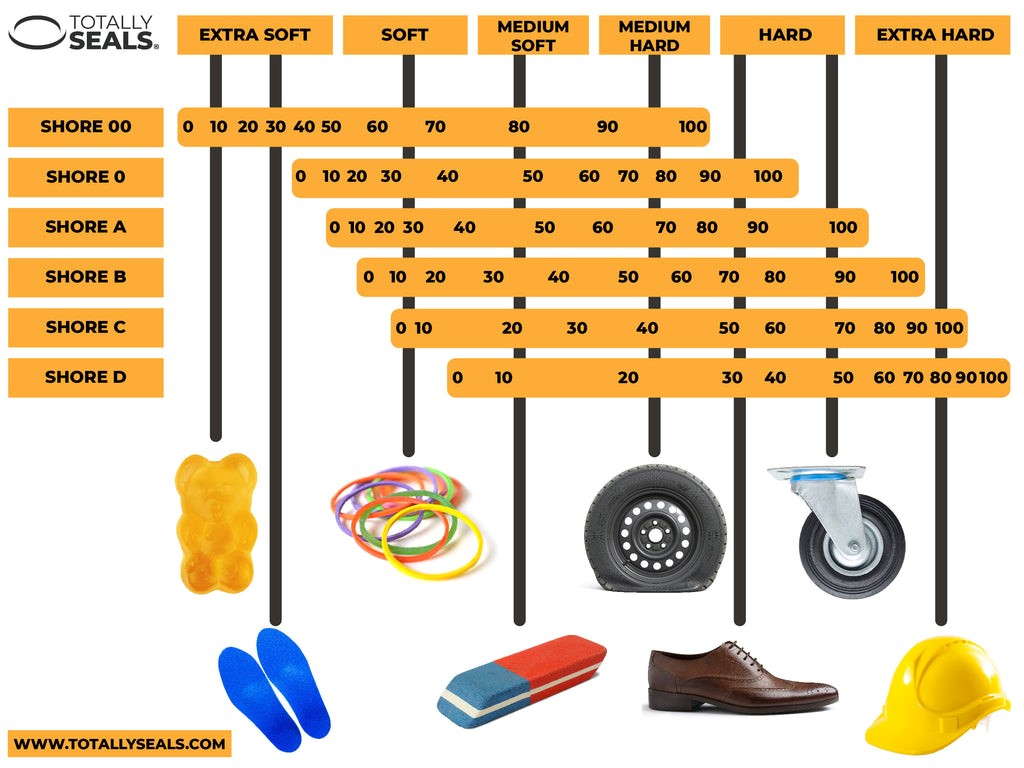
Durometer is a unit of measurement that quantifies the hardness or firmness of a material. It is especially relevant for elastomers like rubber and various plastics. The durometer scale is named after its inventor, Albert F. Shore, and is often referred to as the Shore hardness scale. There are several different durometer scales, including Shore A, Shore D, and Shore OO, among others. Each scale is tailored to specific types of materials and measurement ranges.
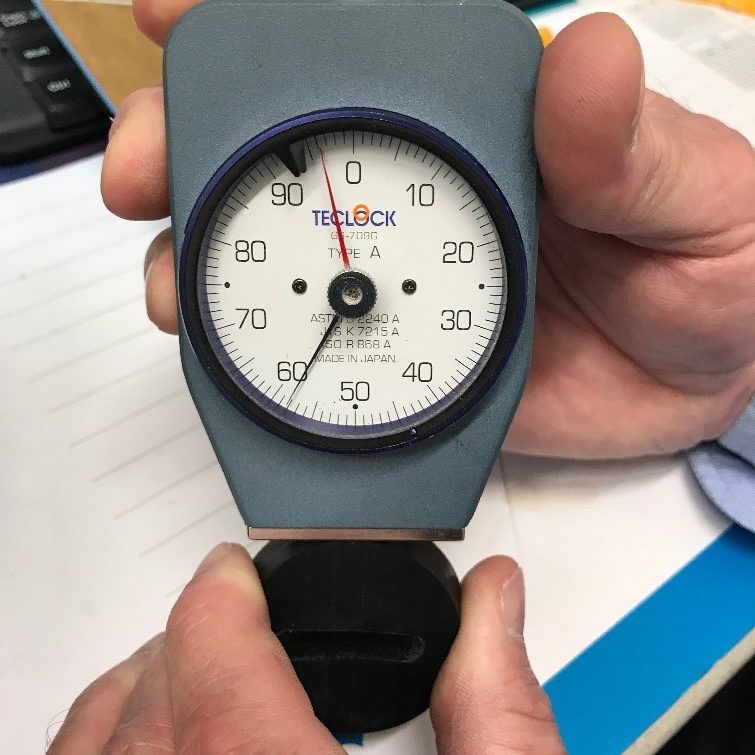
Using Teclock GS-709G to measure hardness of rubber

Factors to Consider When Choosing Durometer

Determine the Material to Be Tested

The first and foremost step in choosing the right durometer is identifying the material you need to measure the hardness of. Material hardness can vary significantly, so understanding the specific material is essential. Whether it’s rubber, plastic, foam, or another material, knowing its characteristics will guide your durometer selection.

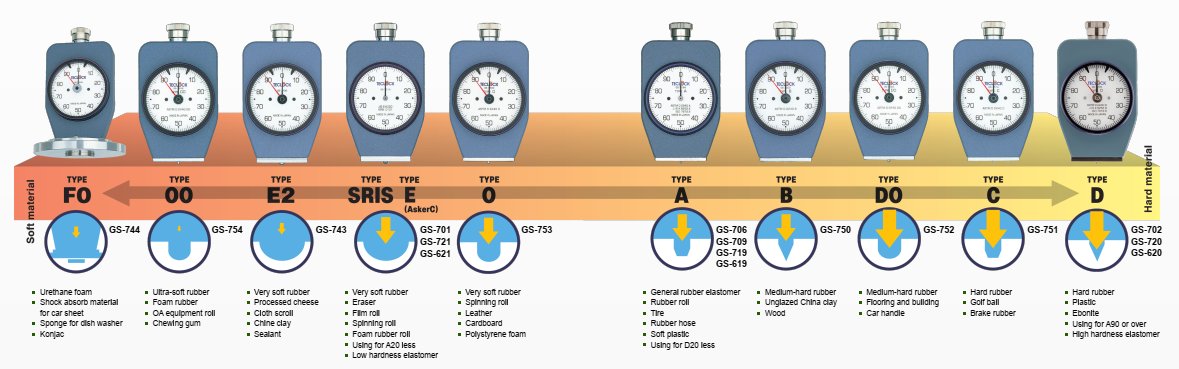
Example of type of material that can be referred before investing in correct Durometer

Understand Durometer Scales

Durometers employ different scales to measure hardness. It’s crucial to understand these scales and choose the one that matches the material you’re testing.

Shore A

This scale is ideal for measuring the hardness of soft to medium-hard materials, including elastomers, rubber, and flexible plastics.

Shore D

Use this scale for harder materials such as rigid plastics, hard rubber, and semi-rigid thermoplastics.

Shore OO

This scale is designed for extremely soft materials like gels and foams.

Consider the Hardness Range

Each durometer scale has a specified hardness range it is best suited for. It’s essential to determine the hardness range of the material you’re testing and select a durometer that falls within that range.

Application and Standards

Consider the specific application and any industry standards or regulations that may apply to hardness testing.

Understand Durometer Scales

Durometers employ different scales to measure hardness. It’s crucial to understand these scales and choose the one that matches the material you’re testing. Here’s a breakdown of common durometer scales:

Shore A: This scale is ideal for measuring the hardness of soft to medium-hard materials, including elastomers, rubber, and flexible plastics.

Shore D: Use this scale for harder materials such as rigid plastics, hard rubber, and semi-rigid thermoplastics.

Shore OO: This scale is designed for extremely soft materials like gels and foams.

Line-up of Durometer from Teclock have wide range of type for your requirements

Consider the Hardness Range

Each durometer scale has a specified hardness range it is best suited for. It’s essential to determine the hardness range of the material you’re testing and select a durometer that falls within that range. For instance, Shore A is generally used for materials with lower hardness (e.g., 0 to 100), while Shore D is for harder materials (e.g., 0 to 100).

Application and Standards

Consider the specific application and any industry standards or regulations that may apply to hardness testing. Some industries, like automotive or medical, have stringent requirements for hardness testing equipment and methods. Ensure your choice of durometer aligns with these standards to meet the necessary quality and compliance criteria. User can choose whichever standards that they required, including JIS, ISO or

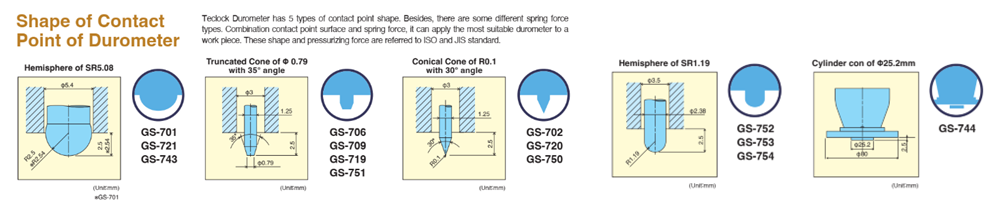
Example of Contact Point of Durometer to choose depends on your requirements

Check the Durometer Type

Durometers are available in two main types: analog and digital. Your choice should align with your preferences and requirements.

Digital Durometers

Digital durometers are often easier to read and may offer additional features like data logging, which can be valuable for recording and analyzing hardness measurements.

Contact Point Shape

The shape and size of the durometer’s contact point can affect the measurement’s accuracy.

Material Surface Match

Ensure that the durometer contact shape point matches the shape and size of the material you will be testing.

Testing and Calibration

Before relying on the durometer for acritical measurements, it’s essential to test and calibrate it.

Regular Calibration

Regular calibration ensures that your durometer maintains its accuracy over time, providing reliable hardness measurements.

Conclusion

Choosing the right durometer is essential for ensuring the functionality and longevity of your products. Understanding the durometer scales, considering material properties, application requirements, and environmental conditions are all crucial factors in making an informed decision. Always consult with material experts or conduct durometer testing to ensure the most suitable durometer hardness for your specific needs. By doing so, you can enhance the performance and reliability of your products, leading to greater customer satisfaction and product success.

Above sharing just for your reference. When you’re interested in investing a durometer hardness tester to improve your quality process, select a supplier who offer a quality service and meet your specific needs.

If you have any enquiry with hardness tester, welcome to contact us by email: enquiry@mspmetrology.com

Contact us today to inquire about durometer hardness tester and improve your quality process.

Pejabat Utama

MSP Metrology (M) Sdn Bhd 201301013617 (1043455-P)
10, Jalan Gemilang 9, Taman Perindustrian Cemerlang, 81800 Ulu Tiram, Johor, Malaysia.

Tel:

Emel:
Laman Web: https://www.mspmetrology.com
Laman Web: https://mspmetrologycom.newpages.com.my/
Laman Web: https://mspmetrologycom.onesync.my/

Pejabat Lain

Selangor Branch
A-03-31, Kompleks Perindustrian EMHUB, Persiaran Surian, Taman Sains Selangor, Kota Damansara, 47810 Petaling Jaya, Selangor, Malaysia.

Tel:

Penang Branch
35-5-6, Golden Triangle 2 Commercial Square, Jalan Dato Ismail Hashim, 11900 Bayan Lepas, Penang, Malaysia.

Tel:

Singapore Branch
200 Jalan Sultan, #03-17 Textile Centre, Singapore 199018.

Tel:

Melayari Melalui : Laman Utama - Klasifikasi - Syarikat - Tempat - Tag - Produk - Berita Baru dan Promosi - Jawatan Kosong - Laman Web Mudah Alih - Google - Keputusan SEO

NEWPAGES

Seni Jaya Logo
Brochure
Download
Our PackageContact Us