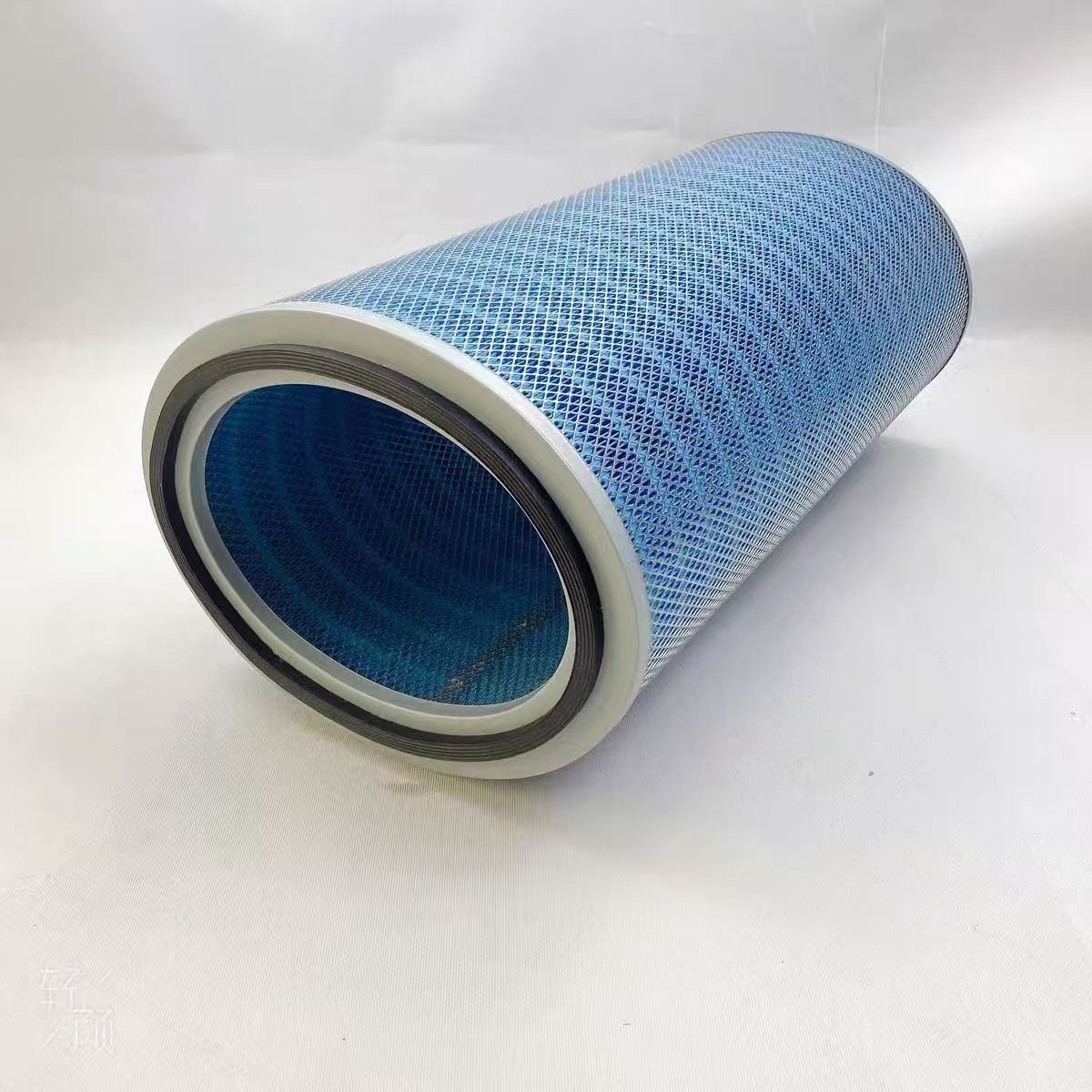


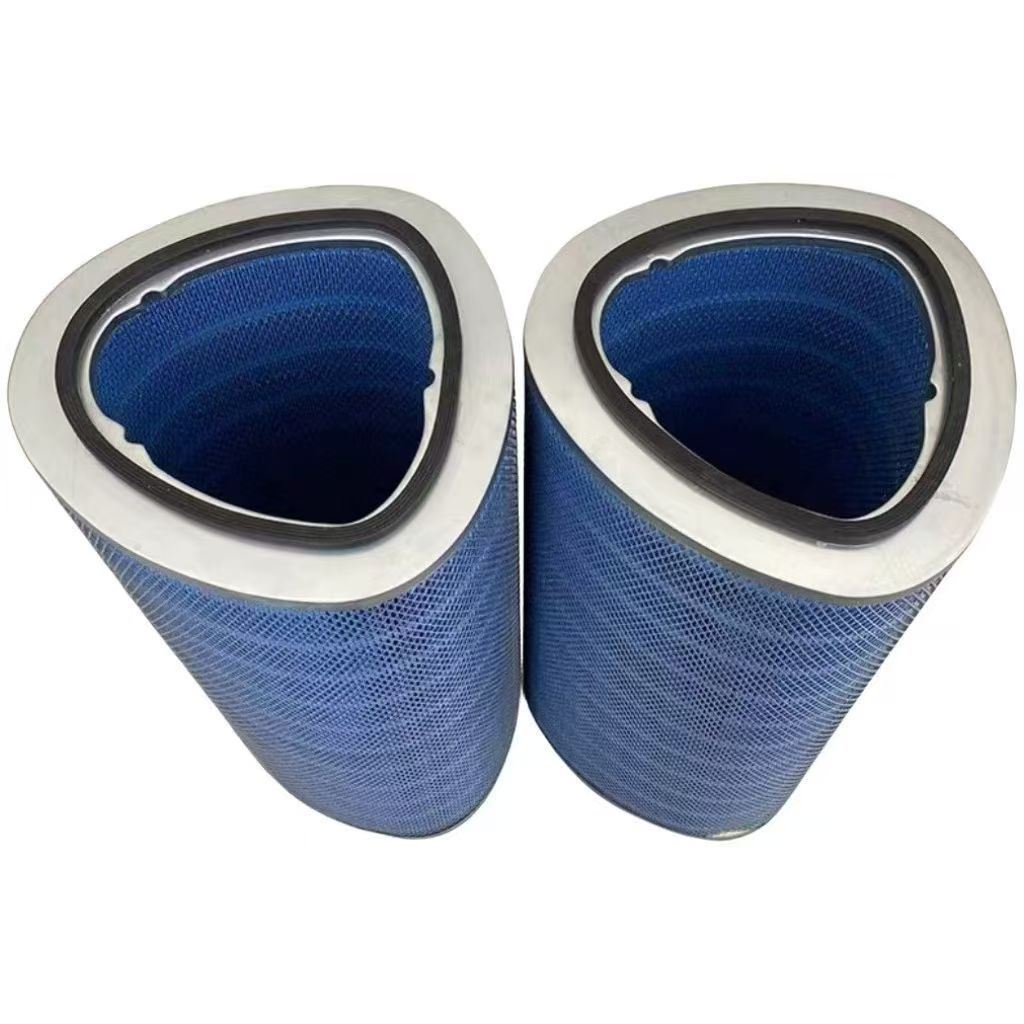
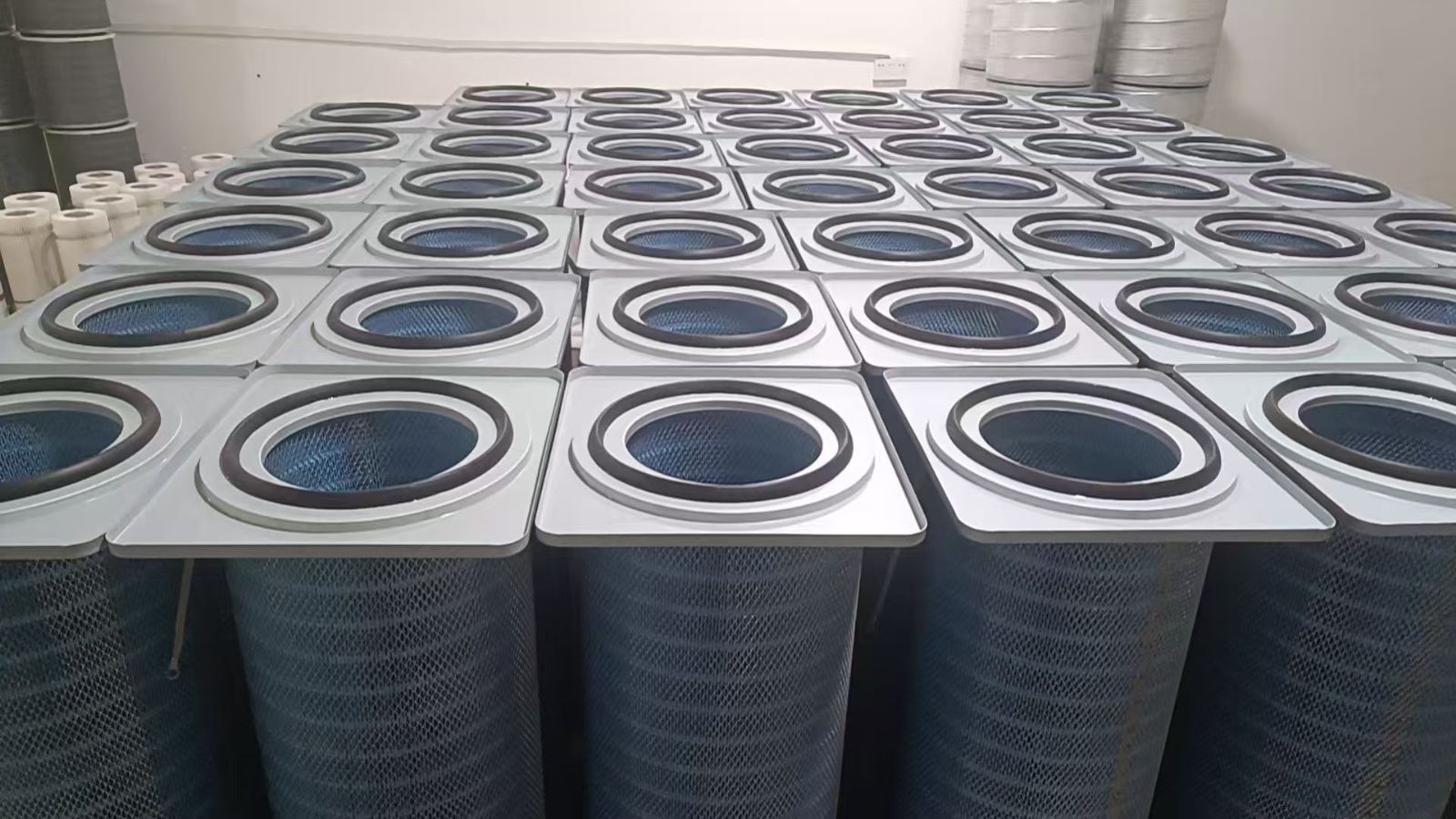
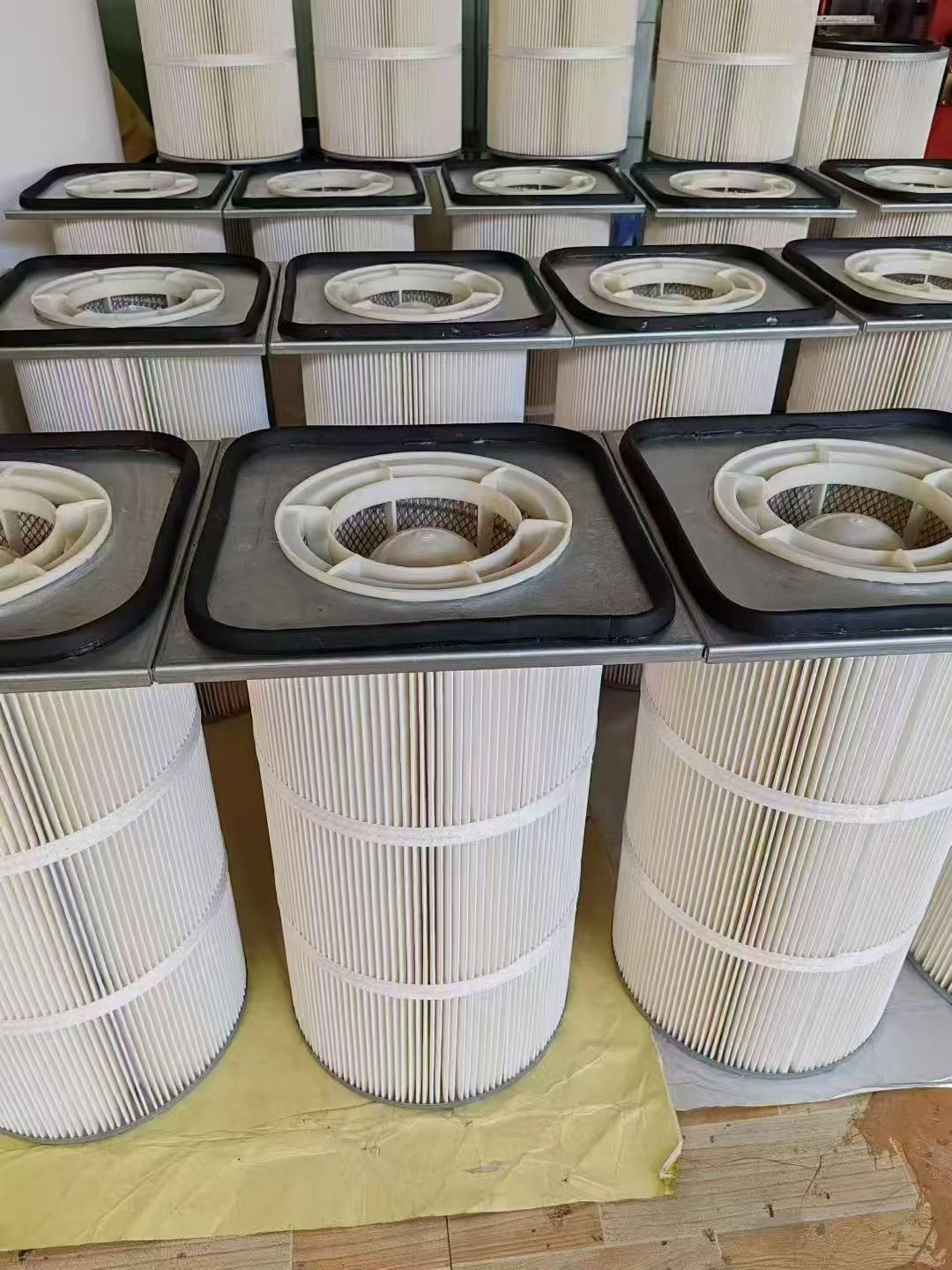

Industrial production environments are complex and diverse, involving a wide range of contaminants such as dust, oil mist, moisture, and particulates. Air filters serve as critical components for equipment air intake, workshop ventilation, and dust purification; improper selection can lead not only to inadequate filtration efficiency, equipment wear, and soaring maintenance costs but also to operational downtime and failure to meet environmental compliance standards. By analyzing the characteristics of various industrial operating conditions, this article outlines a comprehensive selection process—covering key parameters, filter media types, structural designs, auxiliary equipment, and special environmental requirements—to help professionals accurately match air filters to specific on-site conditions.
I. Pre-selection Essentials: Key Site Operating Conditions
Before proceeding with formal equipment selection, it is crucial to gather basic data on operating conditions—a prerequisite for accurate matching. These data fall into six main categories:
Pollutant type: Dry dust, oily dust, water mist, oil fumes, fibrous/flocculent matter, mixed impurities, etc.;
Dust concentration: Low, medium, high, or ultra-high (explosive dust or ultrafine dust requires special notation);
Ambient temperature and humidity: Standard room-temperature environments, high-temperature environments, high-humidity/condensing environments, or low-temperature outdoor environments;
Application scenario: Equipment air intake, workshop dust removal, exhaust purification, fresh air systems, central dust collection, etc.;
Airflow and pressure: Rated system airflow, allowable pressure drop (resistance), and duct pressure requirements;
Additional requirements: Explosion-proof, corrosion-resistant, flame-retardant, low-maintenance, and environmental emission standards.
II. Selection Based on Core Performance Parameters (General Criteria)
For all operating conditions, priority must be given to verifying four key parameters; an imbalance among these parameters will directly lead to filter failure.
1. Filtration Precision
Represents the minimum particle size that can be captured (measured in μm); selection is based on specific requirements:
Coarse (≥10 μm): Pre-filtration stage; captures large debris, hair, and coarse dust; typically serves as the first line of defense in a system.
Medium (1–10 μm): Standard grade for general industrial use; suitable for the vast majority of machining, air compressor, and general dust removal applications.
Sub-HEPA / HEPA (<1 μm): Targeted at ultrafine dust, precision equipment, cleanrooms, and environmental exhaust emission control.
Note: Higher precision is not necessarily better. Excessive precision increases airflow resistance and reduces airflow volume, thereby placing a heavier load on the fan and main equipment; selection requires balancing filtration needs against the equipment's operational limits.
2. Airflow Resistance
This refers to the pressure loss resulting from airflow passing through the filter, categorized into initial resistance and final resistance:
For power equipment such as fans, air compressors, and internal combustion engines: Prioritize low-resistance filters to prevent power loss and increased energy consumption caused by insufficient air intake;
For dust collection equipment: Resistance requirements may be relaxed, provided the values align with the thresholds of the pulse cleaning system;
Selection Principle: Provided filtration precision requirements are met, lower initial resistance enhances equipment operational stability.
3. Rated Airflow
Refers to the maximum airflow capacity of a single filter unit under standard operating conditions. Selection formula:
Total required airflow ÷ Rated airflow per unit = Number of filters required
Include a 10%–20% airflow margin to compensate for airflow reduction caused by ductwork losses and dust accumulation.
4. Dust Holding Capacity and Service Life
Dust holding capacity determines the filter replacement or cleaning interval:
Low-dust environments: Prioritize cost-effectiveness; standard dust holding capacity is sufficient.
Medium-to-high-dust environments: Prioritize filter media with high dust holding capacity to extend the service life and reduce the frequency of maintenance-related downtime.
III. Matching Filter Media and Filtration Solutions to Pollutant Types
Filter media are the core of the filtration system; specific media correspond to specific pollutants, making this a critical step in selecting the right equipment for the operating conditions.
(I) Dry Dust Applications (Most Common)
Typical scenarios: Metal grinding, aggregate processing, building material production, woodworking/cutting, powder conveying.
Pollutants: Dry solid particles, debris, and powders (free of oil and moisture).
Low/Medium Concentration Dry Dust
Recommended media: Standard polyester non-woven fabric, paper-based media.
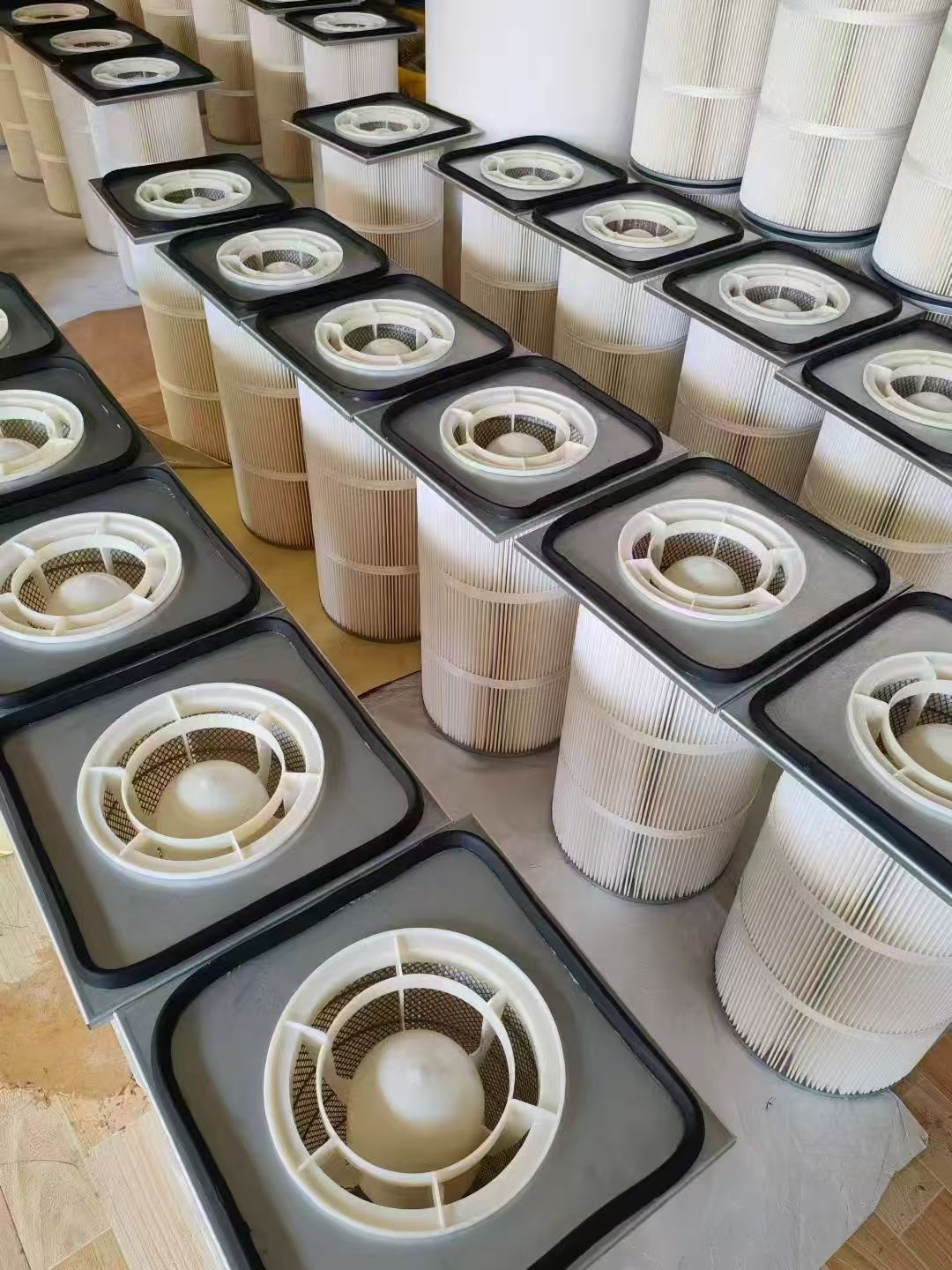
Recommended structure: Pleated filter cartridges or standard dust collection cartridges; cost-effective and easy to maintain.
High Concentration / Ultrafine Dry Dust
Recommended media: PTFE-membrane coated polyester media.
Advantages: Primarily surface filtration (dust does not easily penetrate the media interior), effective pulse-jet cleaning, high dust-holding capacity utilization, and long-term stability; the ideal choice for high-dust environments.
Fibrous Dust (Cotton lint, wood shavings, synthetic fiber fluff)
Avoid: Fine-pleat structures (prone to entanglement and clogging). Recommended: Large-pore surface filtration media, flat filter panels, and coarse pre-filters.
Important Note: Strictly avoid using standard paper filter elements; paper degrades rapidly and clogs when exposed to oil.
(III) High-Humidity / Condensation Conditions
Typical scenarios: Wash-down areas, food processing facilities, outdoor equipment, damp underground plants.
Contaminants: Water vapor, condensation droplets + mixed dust.
Selection criteria: Filter media must be water-resistant, mold-resistant, and structurally stable (non-collapsing) when wet.
Recommended choices: Water-resistant polyester filter media, membrane-coated filter cartridges.
Avoid: Standard wood-pulp paper elements and standard cotton filter media (which suffer from sharply increased resistance and failure due to rotting after absorbing water).
Structural recommendations: Install water deflectors and upstream water-resistant pre-filters to minimize direct impact of liquid water on the filter media.
(IV) Corrosive Gas / Dust Operating Conditions
Typical Applications: Chemical processing, electroplating, metallurgy, and pickling workshops.
Contaminants: Acidic and alkaline gases, corrosive dust.
Recommended Filter Media: Polypropylene (PP) or fluoropolymer media; paired with stainless steel or plastic housings to prevent metal corrosion; use corrosion-resistant air filters throughout.
IV. Selection Based on Equipment / Application Scenarios
Comprehensive selection solutions are provided based on mainstream industrial equipment and systems, ready for immediate implementation.
1. Air Compressor / Screw Compressor Intake Filtration
Core requirements: Low airflow resistance, stable air intake, and protection of the main unit and bearings.
Standard indoor operating conditions: Two-stage filtration (coarse pre-filter + medium-efficiency main filter element) using pleated polyester filter elements;
High-dust factory environments: Addition of PTFE-membrane filter cartridges to enhance dust resistance;
Outdoor air compressors: Selection of rainproof, weather-resistant air filters paired with dust-proof protective covers.
2. Laser Cutting / CNC Precision Machine Tools
Core Requirements: Capture metal dust and oil mist; protect optical paths, guide rails, and precision components.
Configuration: Combined dust and oil mist filtration, primarily utilizing medium-efficiency, oil-resistant filter media;
Ultrafine metal dust: Incorporate a secondary sub-high-efficiency filter to prevent dust accumulation on precision components.
3. Industrial Dust Collection Systems (Pulse-jet / Centralized Dust Collection)
Core Requirements: High dust-holding capacity, easy dust discharge, compatibility with pulse-jet cleaning.
Standard Applications: Standard vertical pleated filter cartridges;
Fine dust: PTFE-membrane filter cartridges;
High-airflow applications: Modular filter cartridge arrays, flat-panel filter cartridges.
4. Construction Machinery / Mobile Equipment (Excavators, Loaders, Mobile Drilling Rigs)
Key Requirements: Vibration resistance, aging resistance, temperature resistance (high/low), and robust dust protection.
Standard Configuration: Heavy-duty dry-type air filter element with multi-stage filtration.
Sandy/Dusty Environments: Equipped with pre-filters and cyclonic primary filters to separate large dust and sand particles upstream.
5. Workshop Fresh Air / Ventilation & Purification
Key Requirements: Balanced airflow, low noise levels, and simultaneous dust removal and air exchange.
Standard Workshops: Two-stage filtration (primary and medium-efficiency).
Cleanrooms / Dust-free Workstations: Includes high-efficiency filters to meet required cleanliness standards.
V. Special Selection Criteria for Specific Environments
1. High-Temperature Environments (>80°C)
Select high-temperature-resistant fiberglass filter media and metal mesh screens; use carbon steel or stainless steel for the housing. The use of plastic or standard synthetic fiber filter media is prohibited.
2. Low-Temperature Outdoor Environments (Sub-zero Temperatures)
Prioritize filter media resistant to freezing and embrittlement; treat the housing for low-temperature resilience to prevent the filter media from hardening or cracking.
3. Flammable and Explosive Dust (e.g., aluminum powder, magnesium powder, flour, coal dust)
Explosion-proof filters must be selected, incorporating anti-static filter media and grounding structures. The use of standard filter media prone to static electricity generation is prohibited; strict adherence to explosion-proof standards is required.
VI. Structural Configuration Selection: Choosing the Right Filter Cartridge/Element Style
Cylindrical Dust Collection Cartridges: The mainstream choice; compatible with pulse-jet dust collection systems, easy to clean, and suitable for the vast majority of industrial dust applications.
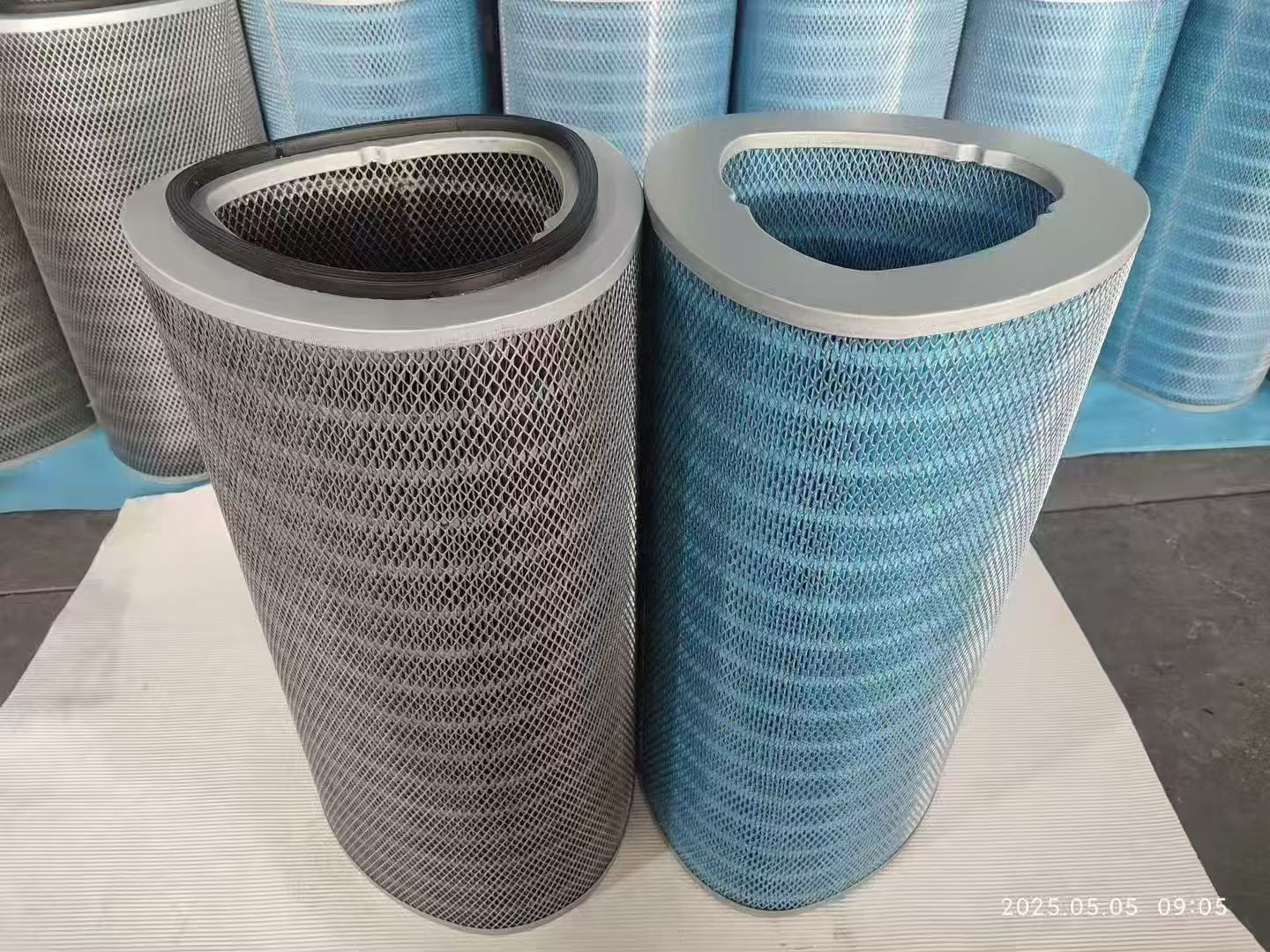
Pleated Filter Elements: Compact size with a large filtration surface area; commonly used for equipment air intake (e.g., air compressors, fans, machine tools).
Panel Filters / Filter Pads: Low cost and easy to replace; suitable for pre-filtration, fume hoods, and fresh air systems.
Modular/Composite Filter Elements: Feature multi-stage filtration allowing for the individual replacement of damaged layers; offer lower long-term operating costs and are suitable for environments with complex, mixed contaminants.
VII. Summary of Selection & Usage (Key Pitfalls to Avoid)
Determine the operating conditions (dust, oil, moisture, or corrosives) first, select the filter media next, and finally verify parameters and structural design—do not reverse this order;
Filtration precision and airflow resistance involve a trade-off: prioritize low resistance for power equipment and high filtration efficiency for dust collection equipment;
Strictly avoid using standard paper or ordinary non-woven filter elements in applications involving oil mist, high humidity, or corrosive substances;
For high dust concentration scenarios, prioritize membrane-coated media combined with a pulse-jet cleaning system to minimize manual maintenance;
Build in a 10%–20% margin for airflow and resistance during selection to account for performance degradation over long-term use.