


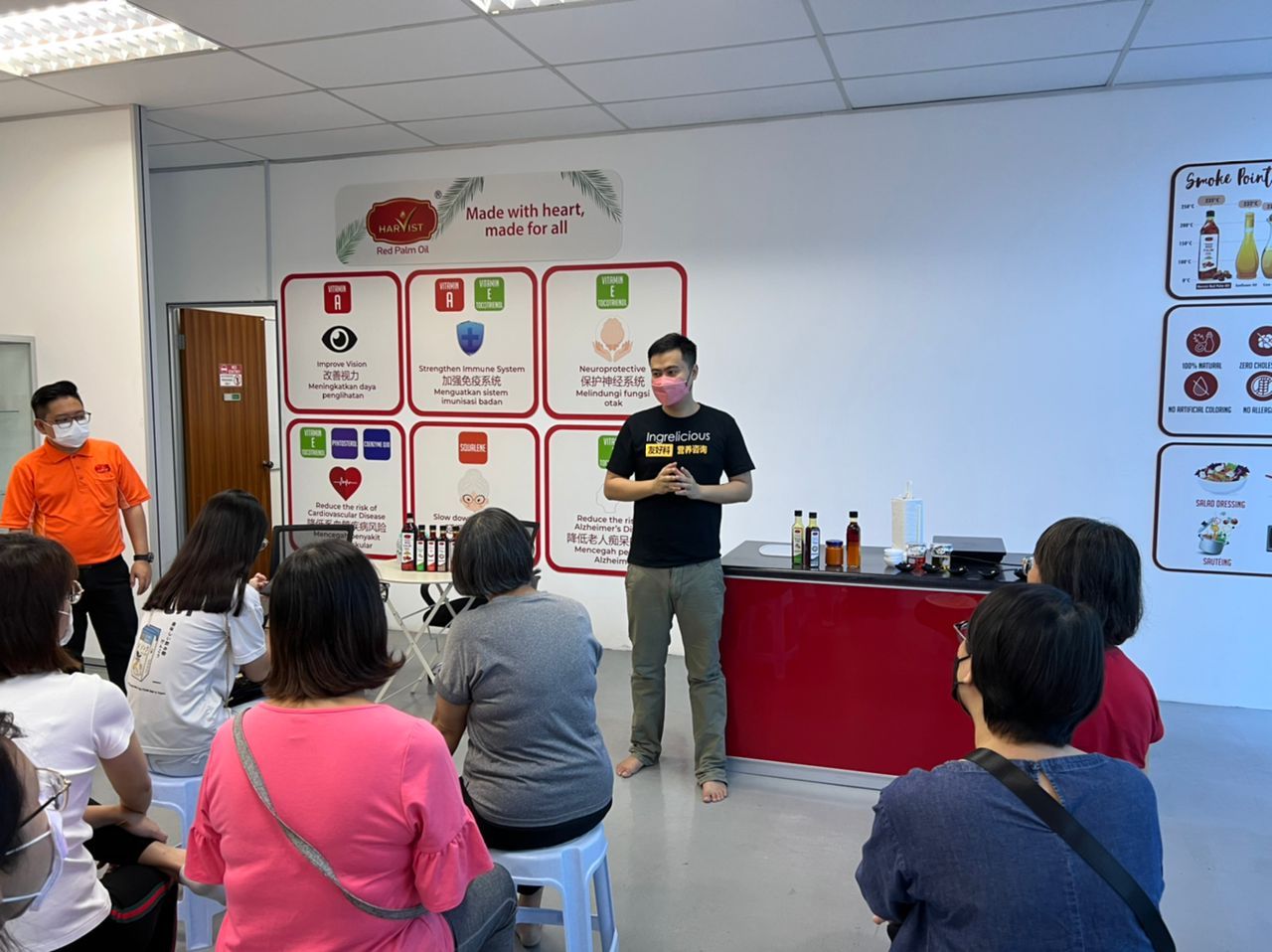

Red palm oil has gained growing attention as consumers look for oils that combine nutritional value, heat stability, and sustainable production. To understand how red palm oil differs from conventional refined palm oil, I conducted a visit to a local processing plant. The insights gathered shed light on its nutrient profile, processing technology, and its role in environmentally responsible food systems.
1. How Red Palm Oil Differs From Regular Palm Oil
Red palm oil is extracted from the same oil palm fruit as regular palm oil, but the key difference lies in the refining method.
While most commercial palm oil undergoes bleaching and deodorizing—processes that remove color and flavor but also strip away nutrients—red palm oil is minimally processed. This gentler approach allows it to retain its naturally rich red-orange color, which comes from carotenoids such as beta-carotene and lycopene.
These natural pigments indicate the presence of important antioxidants and distinguish red palm oil as a more nutrient-dense option compared to conventional refined palm oil.
2. High-Yield Crop and Efficient Land Use
One of the most significant advantages of oil palm cultivation is its exceptional yield. Oil palm remains the world’s most productive oilseed crop, producing up to 5,000 kg of oil per hectare per year.
This productivity greatly surpasses that of sunflower, soybean, or rapeseed, which require significantly more land to generate similar output.
Oil palm trees also produce fruit year-round and have a long productive lifespan of 15–20 years. This reduces the need for frequent replanting and minimizes land disruption, making oil palm one of the most efficient edible oil sources globally.
3. Local Production and Sustainability Benefits
For countries like Malaysia, red palm oil carries an additional environmental benefit: it is produced locally.
Many commonly used oils—such as olive, grapeseed, and avocado oil—must be imported by sea or air, adding substantial carbon emissions from transportation.
Producing and processing palm oil domestically reduces:
-
Transportation fuel use
-
Carbon footprint
-
Supply chain dependency on imports
During the factory visit, I observed wastewater treatment systems, biomass utilization, and energy-recovery processes. These features reflect the industry’s ongoing shift toward improved environmental management and more responsible production practices.
4. Fatty Acid Profile and Heat Stability
Red palm oil has a balanced fatty acid composition—approximately a 1:1 ratio of saturated to unsaturated fats. This ratio offers a combination of stability and health benefits.
Thermal Stability
The saturated fat component gives red palm oil a high smoke point of about 235°C, making it suitable for high-heat cooking such as:
-
Stir-frying
-
Deep-frying
-
Baking
-
Commercial food preparation
This stability reduces the risk of oxidation and harmful compound formation during cooking.
Health-Supporting Fats
The unsaturated portion—mainly oleic acid—is the same heart-friendly monounsaturated fat found in olive oil. This contributes to a healthier lipid profile and makes red palm oil appropriate for daily culinary use.
5. Nutrient-Rich Composition
Because it is minimally refined, red palm oil retains several beneficial compounds that are largely lost in conventional refining:
-
Carotenoids, including beta-carotene for eye and skin health
-
Tocotrienols, a potent form of vitamin E with strong antioxidant activity
-
Coenzyme Q10 (CoQ10), essential for cellular energy production
-
Squalene, a natural antioxidant beneficial for skin and cell protection
These nutrients contribute to the oil’s characteristic color and offer meaningful benefits for overall wellness.
Conclusion
The factory visit provided clear insights into why red palm oil stands out in terms of nutrition, heat stability, and sustainability. Its minimal processing preserves valuable antioxidants, while its balanced fatty acid profile makes it suitable for daily cooking. Combined with efficient land use and local production advantages, red palm oil is a strong candidate for consumers and food manufacturers seeking an oil that supports both health and environmental responsibility.

 BR 11013
  VN 9115
  US 4259
  IN 3760
  MY 3108
  CN 2074
  AR 1928
  BD 1509