

Metal Piping System
Build safer, more efficient plants with a Metal Piping System engineered for process reliability—covering design, fabrication, installation, and maintenance for steam, air, water, oil, and chemical lines.
What is a Metal Piping System used for?
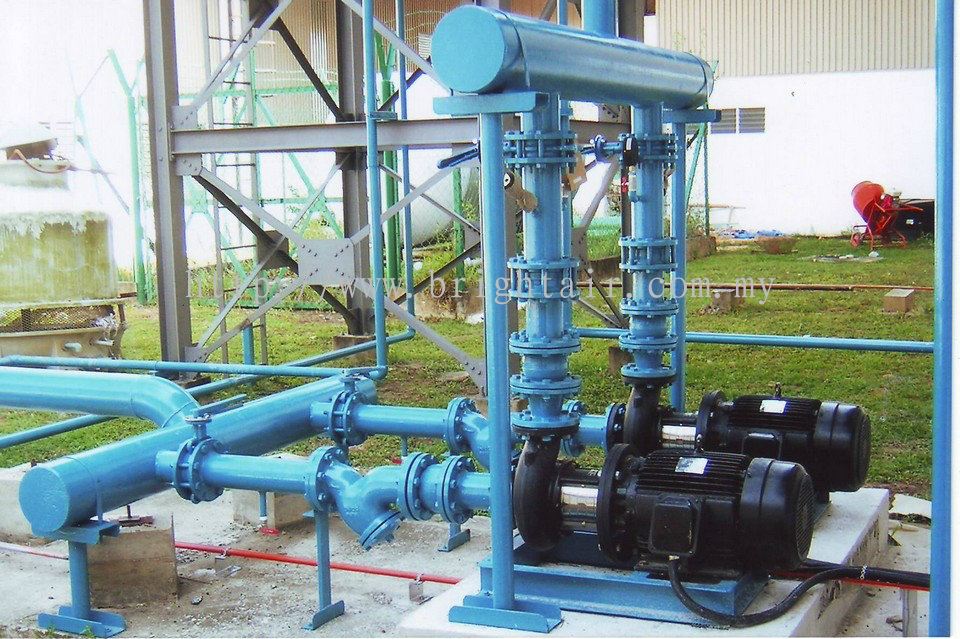
A Metal Piping System delivers process media (like steam, compressed air, hot water, chilled water, oil, or chemicals) between equipment—such as boilers, chillers, pumps, tanks, scrubbers, and production machines—while maintaining safe flow, pressure, and temperature control.
In most plants, well-designed piping improves uptime by stabilizing flow, preventing vibration, and making isolation (valves) and maintenance access easier.
Why choose metal piping for industrial facilities?
Metal piping is valued for strength, temperature tolerance, and long service life. With the right material selection and workmanship, it supports reliable operation in demanding industrial environments.
High Temperature & Pressure Capability
Ideal for steam lines, hot oil, and high-pressure utilities where performance stability matters.
- Supports wide operating ranges
- Suitable for critical utilities
- Better mechanical strength
Material Options for Corrosion Control
Select the right metal grade to match the process and reduce corrosion-related failures.
- Carbon steel for general service
- Stainless steel for corrosion resistance
- Alloy options for specialized duties
Cleaner, Safer Plant Layout
Proper routing, supports, and labeling make inspections and maintenance faster.
- Improved access & isolation
- Reduced vibration and stress
- Better housekeeping and safety
- Steam and condensate return lines
- Compressed air distribution
- Cooling water / chilled water piping
- Process chemical transfer (as specified)
- Fuel / oil supply lines
- Equipment tie-ins and manifolds
How does a Metal Piping System project work?
We typically deliver metal piping projects through a controlled workflow—starting from design review and material selection, followed by fabrication, installation, and testing to verify leak integrity and safe operation.
Project scope (typical)
- Engineering & planning (routing, sizing, supports, tie-in points).
- Material selection (pipe grade, schedule, fittings, valves, gaskets).
- Fabrication (cutting, fit-up, welding, spool preparation).
- Installation (supports, alignment, expansion allowance, insulation coordination).
- Testing & commissioning (pressure test, leak check, flushing/cleaning as required).
What you get
- Consistent flow and stable pressure delivery
- Lower leakage risk with proper jointing and QA/QC
- Improved maintainability via valves, drains, vents, and access planning
Note: Final materials, standards, and test requirements should follow your project specification and local regulations.
What maintenance does a Metal Piping System need?
Industrial piping stays reliable when inspections and preventive maintenance are planned. Common tasks include leak checks, support inspection, corrosion monitoring, and valve function verification.
Routine inspections
- Check flanges, valves, and weld areas for seepage
- Inspect pipe supports, hangers, and vibration points
- Confirm insulation condition (to prevent corrosion under insulation)
A simple inspection route can reduce unexpected failures significantly.
Preventive actions
- Re-torque critical flanges where specified
- Repair coating/paint damage to reduce corrosion
- Service isolation and control valves periodically
Good documentation helps track recurring issues and plan shutdown work.
FAQ
Common questions about selecting, installing, and maintaining an industrial metal piping system.
Note: Always follow your facility’s safety procedures and local regulations for piping works and hot work activities.