


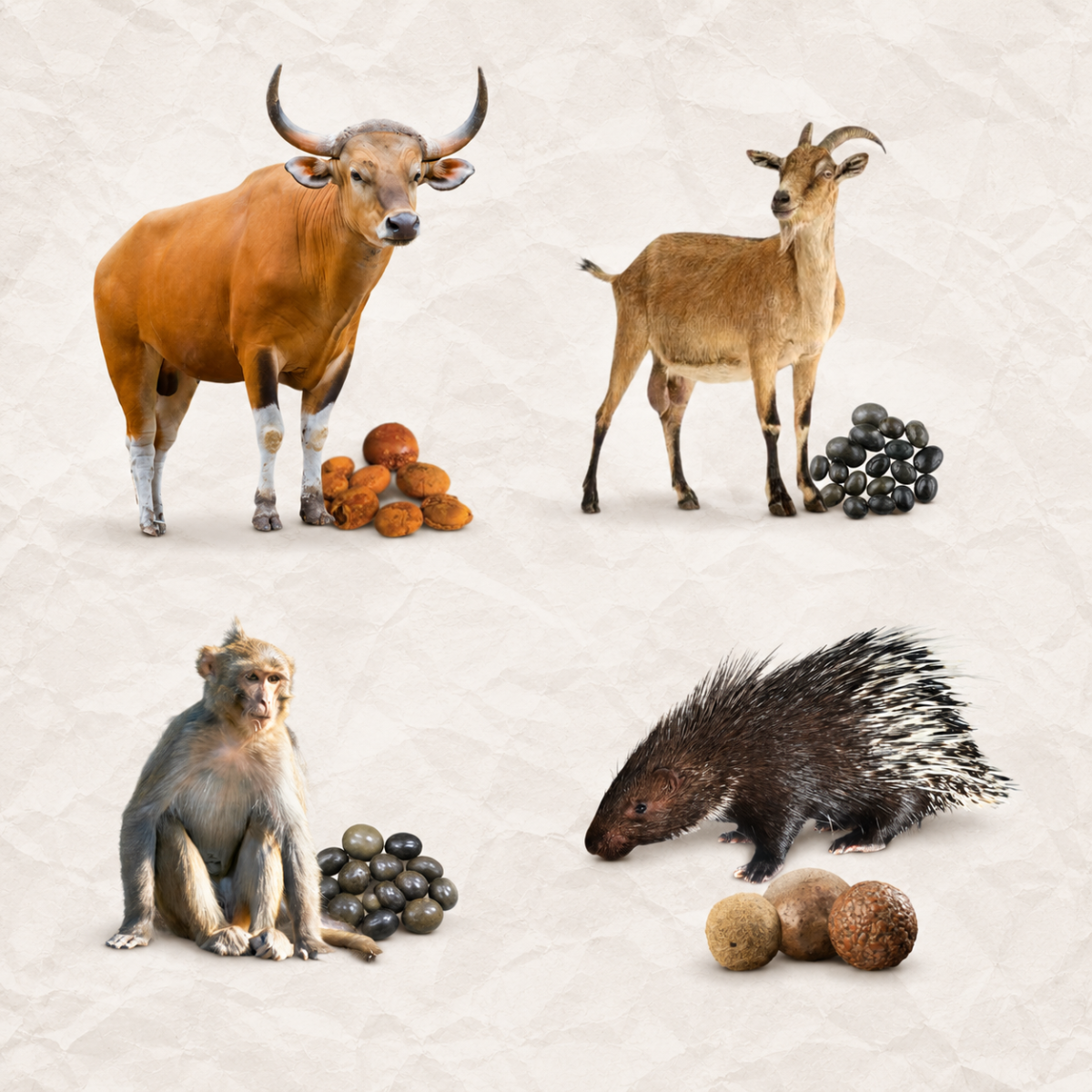
What Are Animal Bezoars?
Animal bezoars are solid, undigested masses formed in animal gastrointestinal tracts due to chemical reactions between digestive fluids such as stomach acid and bile with large amounts of indigestible food materials.
Historically, they have been valued in traditional medicine, especially in Asia and Southeast Asia, for detoxification, fever management, calming effects, and emergency support.
Types of Bezoars
According to modern literature reviews, bezoars can be classified by their composition into four types:
The Most Common Animal Bezoar: Calculus Bovis
Calculus Bovis, also known as cattle bezoar or “Niu Huang,” is one of the most established animal bezoars in traditional Chinese medicine and has been used for more than 2,000 years. It is usually formed from ox or cattle gallstones.
In traditional Chinese medicine, Calculus Bovis is commonly regarded as a medicinal substance for clearing heat, detoxification, relieving convulsions, and restoring consciousness. It is more commonly used for acute or heat-related conditions, such as:
- Fever
- Convulsions
- Throat inflammation
- Conditions described in TCM as “heat-toxin” patterns
Among traditional animal bezoars, Calculus Bovis has stronger pharmacological evidence. However, it has traditionally been used mainly for emergency or short-term symptomatic treatment, and is not suitable for long-term health maintenance use.
This is because its medicinal nature is relatively cold and its effects are comparatively strong. Long-term, high-dose, or improper use may lead to side effects such as potential liver and kidney damage. Some prescription formulations containing Calculus Bovis may include ingredients such as realgar or cinnabar, or involve heavy metal-related risks, which may affect the nervous, digestive, hematopoietic, and urinary systems.
If you would like to learn more about the potential negative effects of Calculus Bovis, please read: Ox Bezoar Is Not a Cure: Long-Term or High-Dose Usage May Harm the Brain and Nervous System
Confusion About Houzao
Houzao is a traditional animal-derived bezoar mainly used in Traditional Chinese Medicine, especially for pediatric respiratory-related care, and has a certain historical foundation in the traditional Chinese medicine system.
Traditionally, it has mainly been used for:
- Resolving phlegm
- Relieving cough
- Reducing wheezing
- Calming convulsions
Although it is called Houzao, or “Monkey Bezoar,” and was historically associated with monkeys in ancient texts, most modern Houzao available on the market today is commonly sourced from goats or other ruminants, rather than monkeys.
The Bezoar That Has Gained Attention Today: Porcupine Bezoar
Porcupine bezoar is a phytobezoar-like natural mass formed in the gastrointestinal tract of porcupines. It is mainly formed through the long-term accumulation of partially undigested plant fibers, minerals, and other bioactive compounds, which gradually solidify through complex biochemical interactions with digestive fluids and bile.
Porcupine bezoar has gained wide attention and discussion in traditional medicine practices across Southeast Asia, particularly in Malaysia, Indonesia, and Thailand. Traditionally, it has been used for:
- Supportive management for poisoning
- Fever
- Dengue fever
- Typhoid
- Postpartum / post-surgical recovery support
- Cancer support purposes
Due to its rarity and high commercial value, there are many issues in the market involving illegal trade and authenticity concerns. Establishing more scientific and systematic authentication standards has become an important issue in the field of porcupine bezoars today.
If you would like to learn how to identify genuine and fake porcupine bezoars, please read: How to Identify Real and Fake Porcupine Bezoar BezLife Porcupine Bezoar Health Guide
Why Are Animal Bezoars Valuable?
Natural Rarity
Their formation is unpredictable and uncommon, highly dependent on the animal’s diet, nutrition, and environment.
Traditional Medical Heritage
According to historical records, animal bezoars have been used in traditional medicine and traded as precious medicinal materials for hundreds to thousands of years.
Complex Chemical Composition
Animal bezoars naturally contain complex bioactive compounds, such as amino acids, minerals, and other natural substances.
Not All Bezoars Are the Same
Animal bezoars vary significantly by source animal, composition, and traditional application. While their historical value is documented, their scientific validation varies widely, and some even lack sufficient scientific evidence.
Understanding the type, origin, and intended use of each bezoar is essential for making informed and responsible decisions.
A Modern Example: Dr Victor Porcupine Bezoar
Among the various animal bezoar products available today, Dr Victor Porcupine Bezoar represents a more modern and structured approach to the traditional use of porcupine bezoars, combining traditional experience with modern standards. Its core focuses include:
- Authenticity
- Ethical sourcing management
- Scientific quality control
Dr Victor Porcupine Bezoar is committed to improving product reliability and consumer safety in an uncertain animal bezoar market.
Start Your Professional Consultation
If you would like to learn more about and purchase porcupine bezoars but are still unable to find a reliable source, please contact us via WhatsApp or by phone at +6017-200 0908. The Dr Victor team will provide one-on-one consultation based on your specific situation.