

Teaching a complete Peranakan (Nyonya) cooking class—from ingredient preparation to cooking techniques and cultural background—can easily take four hours. But what participants take home is far more than a recipe; it’s an immersive journey into the flavors, history, and culture of Southeast Asia.
This time, we extended our learning beyond the classroom to a Borneo market, where the diversity of ingredients immediately surprised us. Stalls brimmed with tuhau, wild ginger flowers, Sabah lime, Sarawak black pepper, various chilies, and jungle greens that many of us had never seen before. Each ingredient carried a story: who uses it, how it’s prepared, and why it’s important. Listening to Kadazan-Dusun vendors explain the versatility of tuhau, while Sarawak pepper traders shared how their black pepper reached international kitchens, we realized that learning ingredients is really learning a community’s way of life.
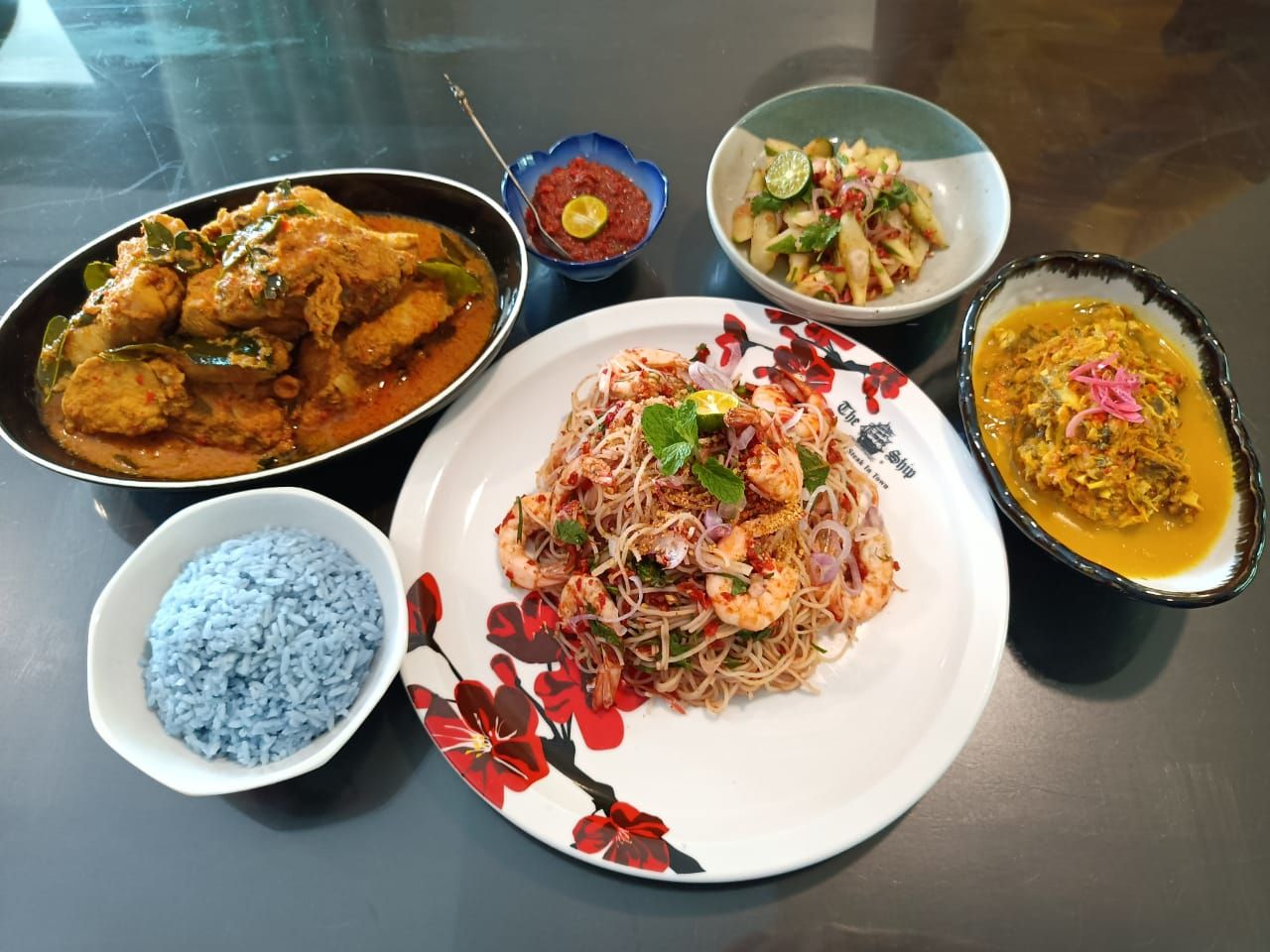
Back in a traditional Peranakan kitchen, these Borneo ingredients came alive. Prisca’s kitchen felt like a living museum, with herbs and spices carefully arranged: lemongrass, galangal, chili paste, belacan, coconut milk, Thai shallots, and freshly dried asam jawa. She taught us the secrets of selecting chilies, heating belacan correctly, and using green versus yellow limes. The aroma of her homemade tamarind alone made our mouths water.
When Sarawak black pepper was added to sambal belacan, the fragrance deepened instantly. Wild ginger flowers from Borneo paired perfectly with Peranakan lemongrass. Even tuhau blended seamlessly into rich Peranakan curry. Every combination was a lesson in flavor and cultural fusion.
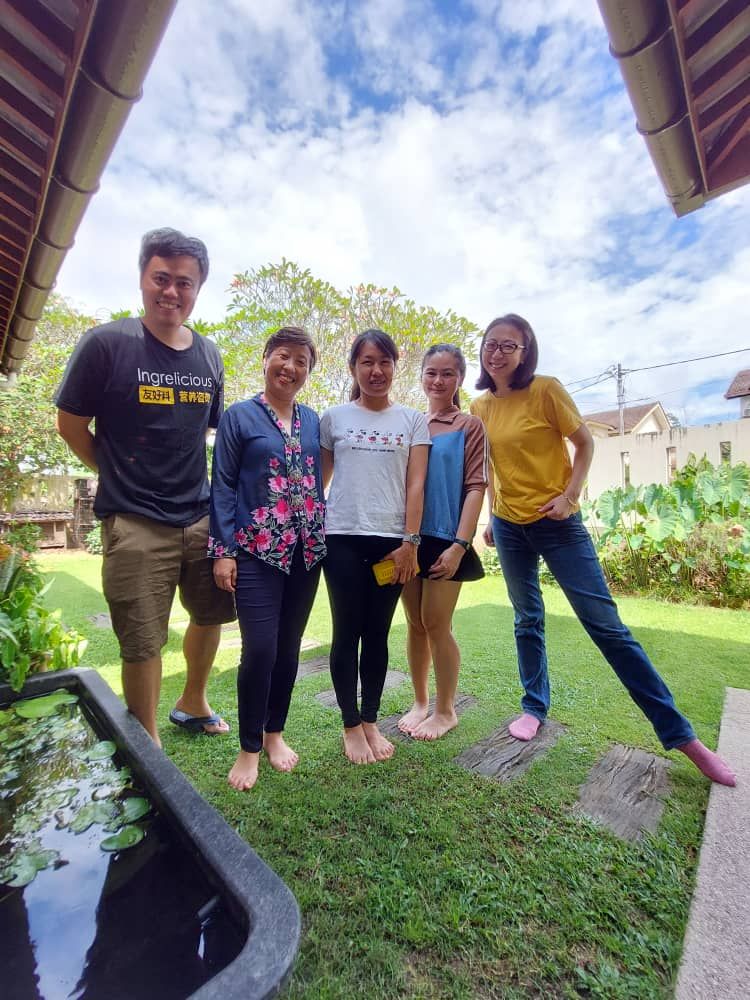
Around the long dining table, we chopped, stirred, and laughed together. “Cut finer, nutritionist-style!” “Oops, that slice is crooked!” Laughter filled the kitchen as we cooked—and learned—that cross-cultural ingredient learning is not just about making a dish correctly. It’s about understanding the history, traditions, and lifestyles of different communities.
Visiting Borneo markets showed us diversity; cooking in a Peranakan kitchen taught us fusion. When these flavors meet in our hands, we experience the true beauty of Southeast Asian culinary heritage.
Food is the gentlest teacher, and a shared meal is the most powerful way to connect across cultures.

 BR 5747
  VN 5539
  US 3068
  SG 1711
  MY 1420
  CN 1392
  AR 1312
  IN 1244