

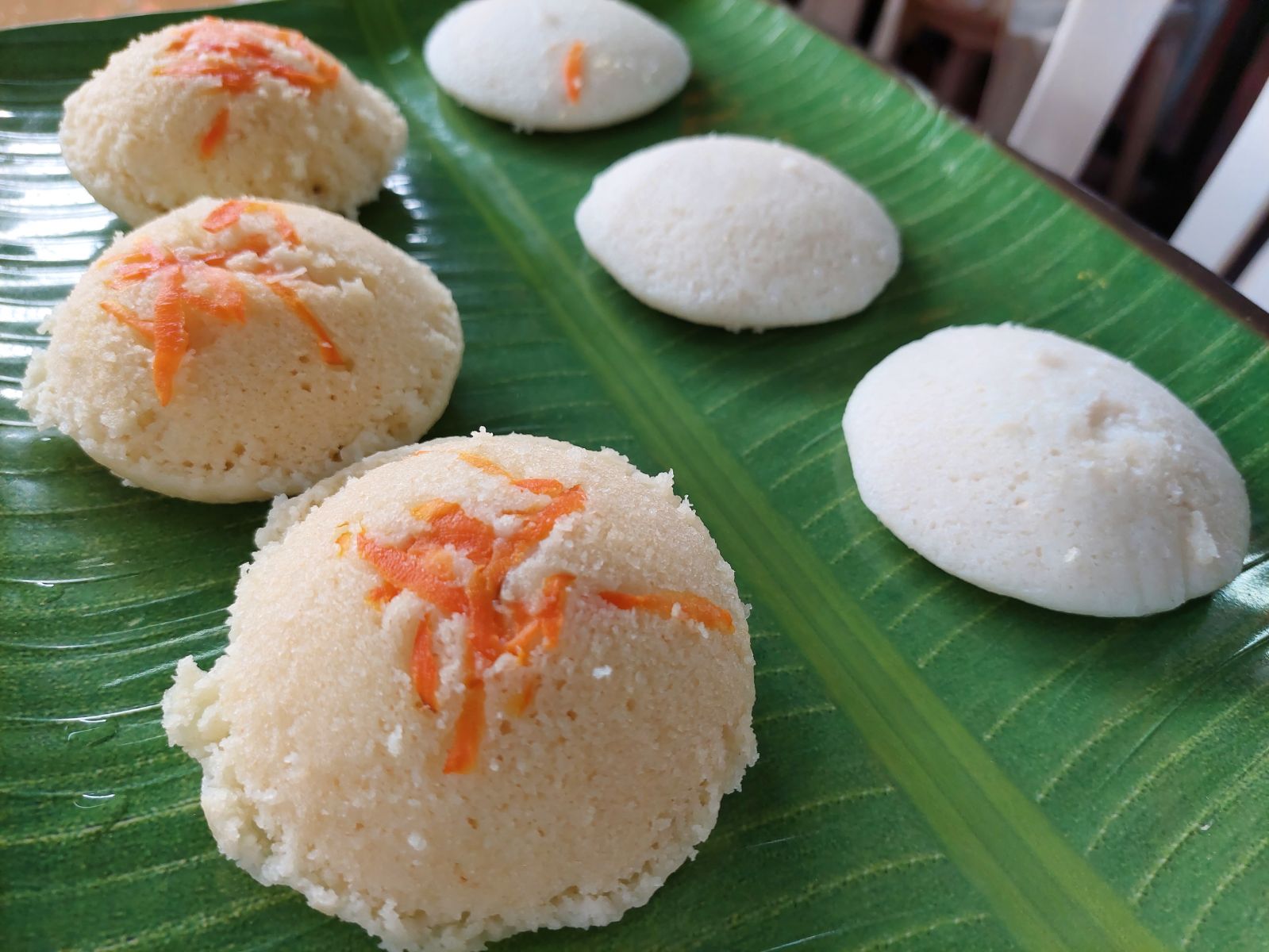
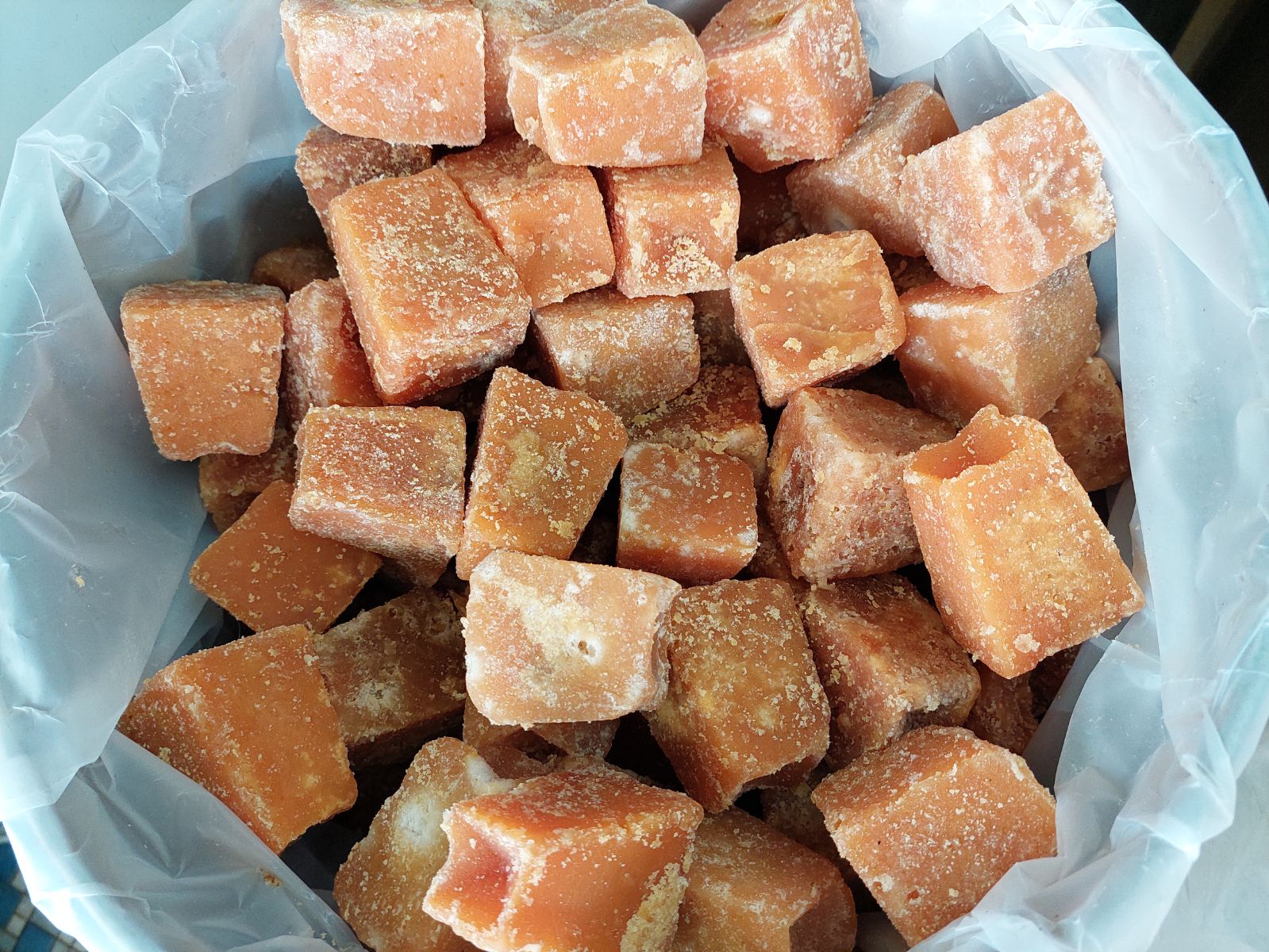
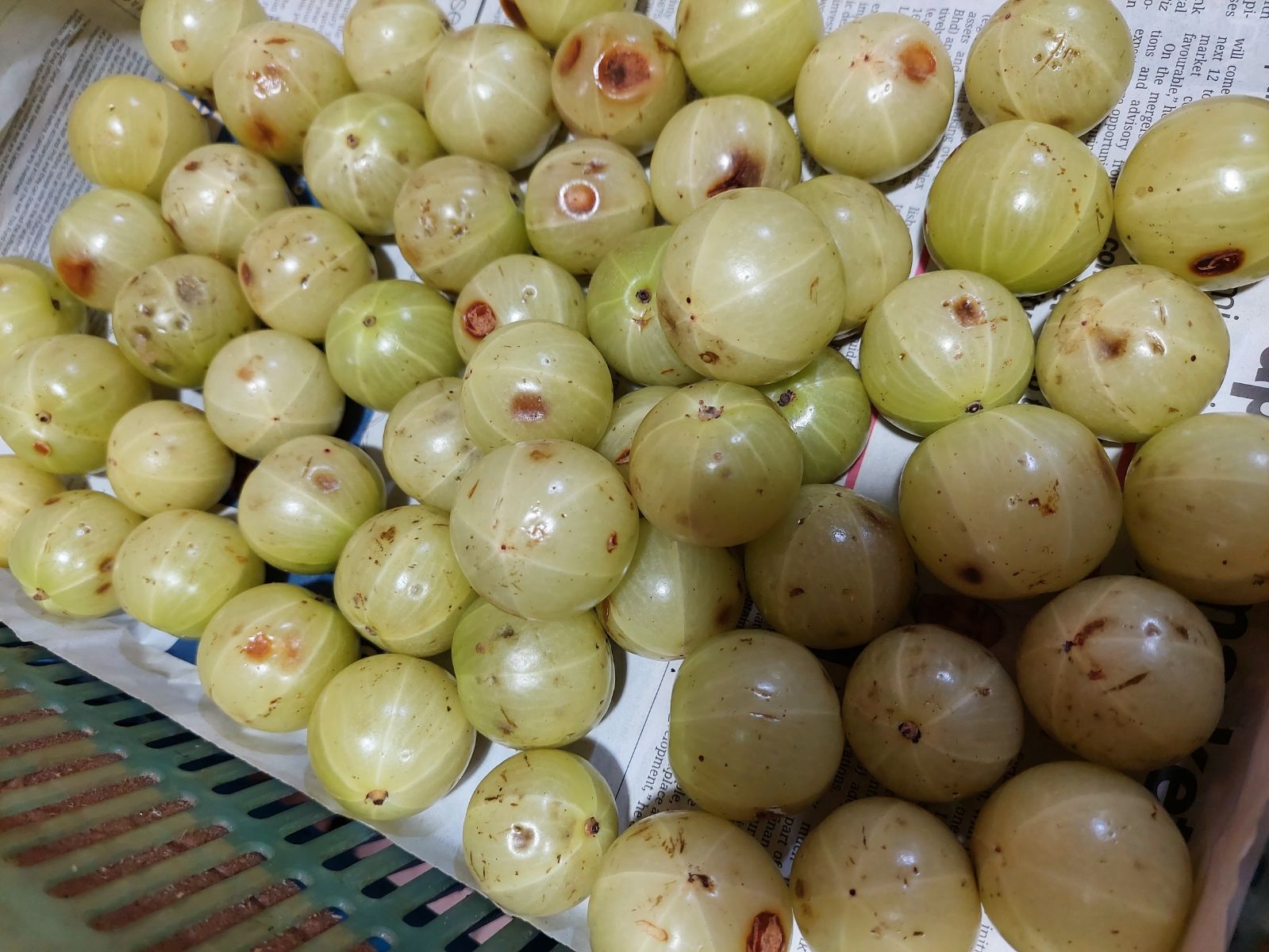
One sunny morning, we stepped into Klang Little India, greeted by the rich aroma of curry, cumin, and cloves. The market was a vibrant tapestry of colors and textures, filled with jars of Indian spices, heaps of grains, piles of legumes, dried fruits, and traditional snacks. For us, this was more than shopping—it was an immersive cross-cultural cooking lesson.
Vendors enthusiastically introduced the purpose of each spice: turmeric not only colors curry but also has anti-inflammatory properties; cumin seeds aid digestion; cloves and cinnamon are often used in desserts and spiced teas. Curious, we asked how to choose, store, and combine these spices, and they patiently demonstrated how to smell, crush, and observe the color and texture—simple yet essential skills in Indian culinary culture.
In the grains and legumes section, we discovered varieties of millet, red rice, chickpeas, green beans, and lentils—each carrying the daily wisdom of Indian households. The vendors explained which legumes are ideal for curries, soups, or fermented dishes. We even handled the beans ourselves, feeling their hardness and dryness, amazed by how attentive Indian cooks are to every detail of their ingredients.
What made the experience truly special was learning how to combine these ingredients into traditional dishes. The spice blends require precise proportions, while grains and legumes need soaking and careful cooking. The vendors shared insider tips, such as making a basic curry base with powdered spices or soaking dry legumes overnight to enhance their texture. Every step felt like a mix of art and science, a balance of logic and intuition.
By the time we left Klang Little India, our baskets were full of ingredients, but our minds were fuller with cultural insights. Learning Indian spices, grains, and legumes is not just about understanding flavors—it’s about appreciating another community’s way of life. Each spice, each bean, tells a story of tradition, patience, and culinary ingenuity.
Visiting Klang Little India reminded us that food is the most direct language of culture, and the market is the best classroom. Through this cross-cultural cooking experience, we learned not only how to cook Indian dishes but also how to respect, observe, and celebrate the richness of diverse culinary traditions.

 BR 4906
  CN 2993
  US 2586
  MY 2475
  VN 1660
  SG 1419
  AR 1203
  MX 770