


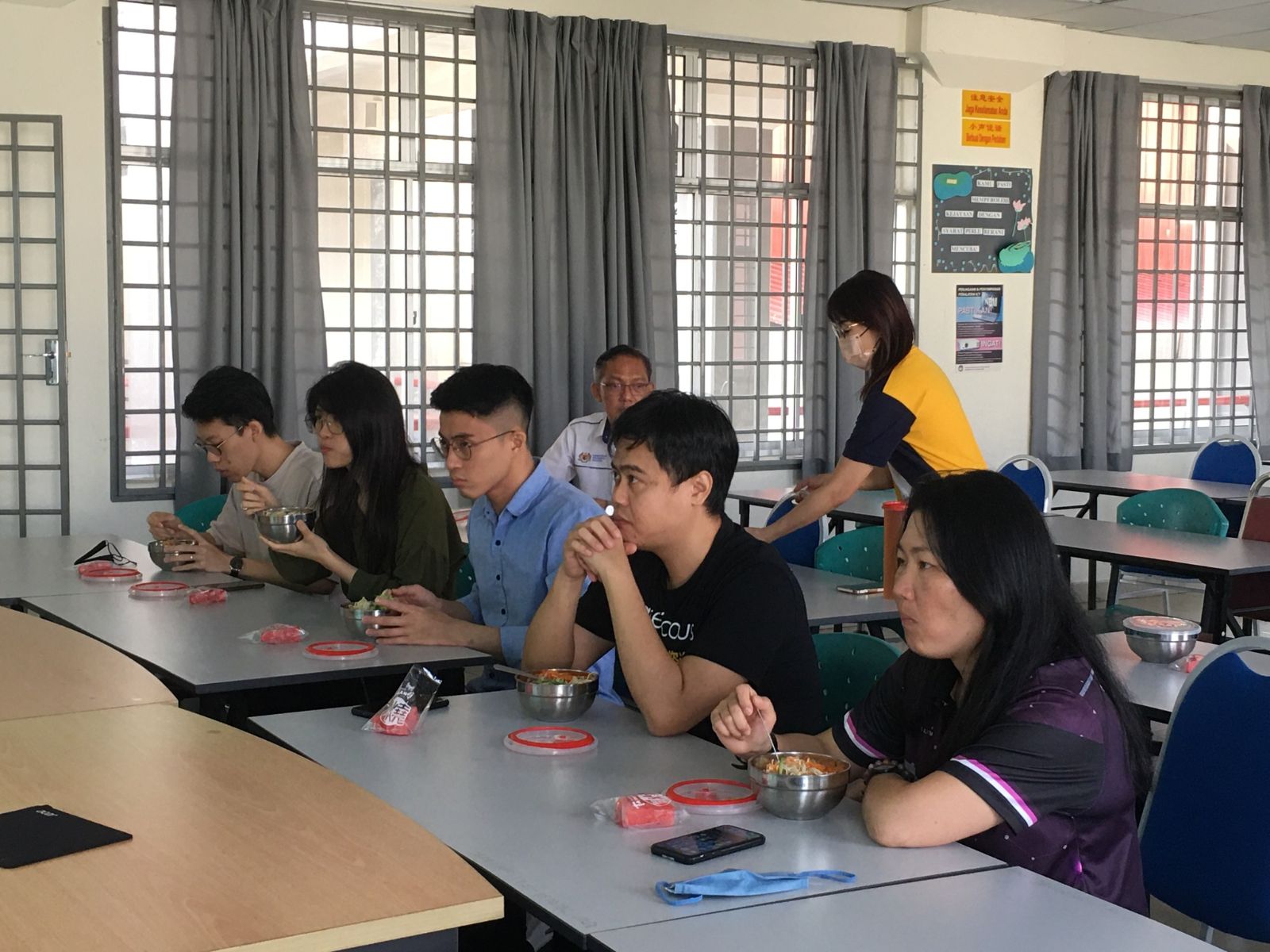
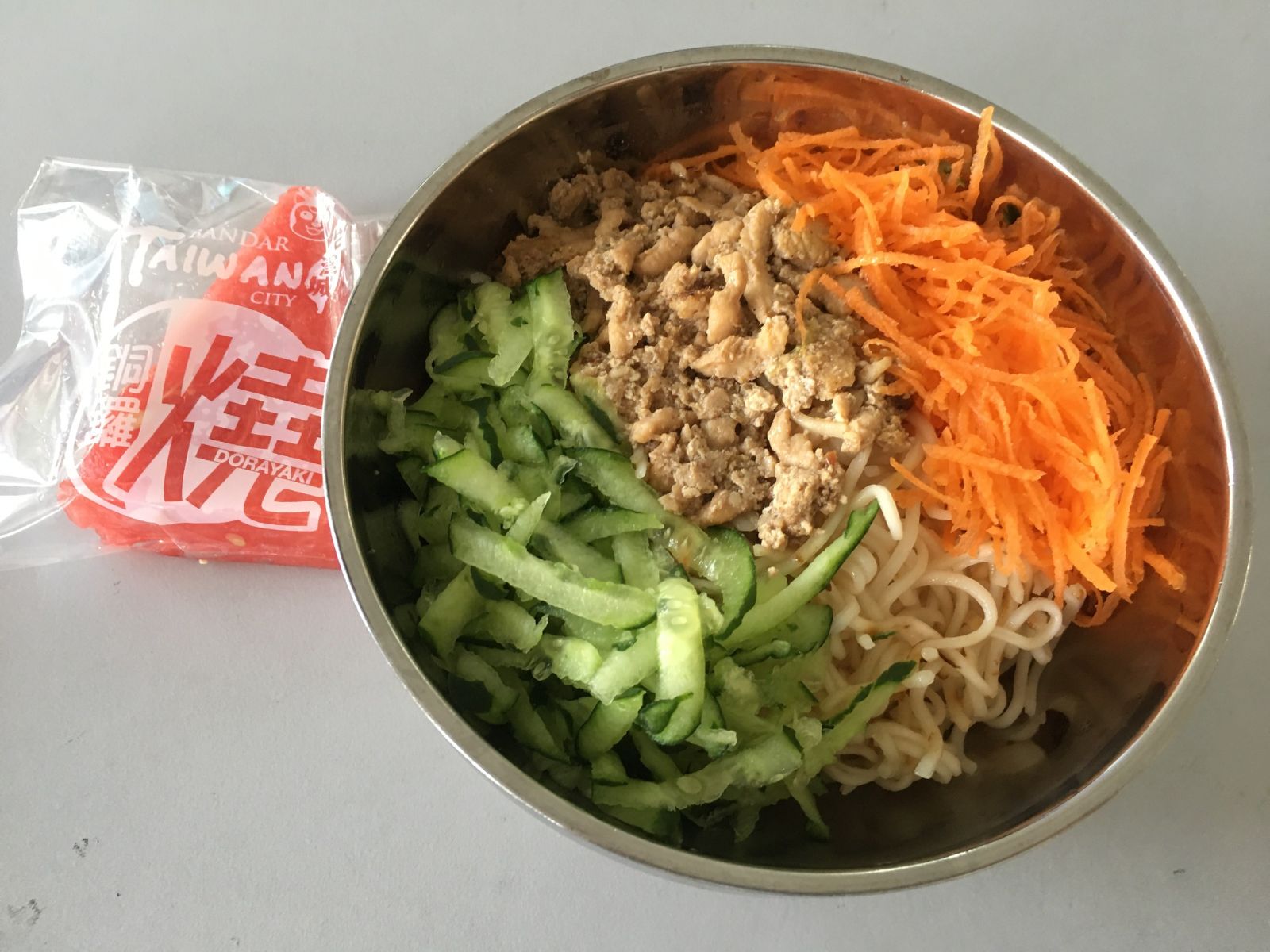
Yong Peng SJK(C) Yu Hwa 2 is one of Malaysia’s most successful and exemplary schools in implementing the School Nutrition Meal Programme. The key person behind this achievement is Amanda, the district nutritionist of Yong Peng.
She holds a Master’s degree in Nutrition from Universiti Putra Malaysia (UPM), specializing in school nutrition meal research. With her strong academic background and years of hands-on experience, Amanda has not only established a standardized nutrition meal system in the school but also published a School Nutrition Meal Reference Book to help canteen operators and schools nationwide improve their meal quality.
Recently, our team was honored to lead a group of representatives to visit the school and observe the programme in action. The group included five nutritionists, three school representatives, two farmers, and two canteen operators. During the visit, they witnessed how a structured school nutrition meal system is implemented and how it has positively transformed students’ health and the overall school environment.
The benefits of implementing school nutrition meals are substantial, including:
-
Improved health for both students and teachers
Balanced meals help stabilize energy levels and blood sugar, resulting in better focus and learning performance among students. Teachers also benefit from improved health, creating a healthier learning atmosphere throughout the school. -
Reduced childhood obesity rates
With meals that are lower in oil, sugar, and salt—and higher in nutrients—students naturally consume fewer unhealthy snacks and processed foods, effectively reducing obesity from the root. -
Better school discipline and behavior
Schools that implement nutrition meals often report fewer incidents of students fighting for food, stealing money to buy snacks, or engaging in unhealthy eating behaviors. The overall school environment becomes more positive and harmonious.
However, Malaysia still faces several challenges in advancing the school nutrition meal programme:
-
Lack of understanding or cooperation from canteen operators
Some operators worry about cost, complexity, or student acceptance, which makes them reluctant to adjust their existing menus. -
Limited awareness among educators
If teachers and school administrators do not fully understand the importance of nutrition meals, it becomes difficult to achieve cross-departmental collaboration, and policies may fail to take root.
In countries like Japan and Taiwan, school nutrition meal programmes have been established for more than 50 years. The long-term outcomes are evident—children develop healthier eating habits from a young age, obesity rates decrease, and national healthcare costs are greatly reduced.
In Malaysia, chronic diseases are rising year by year, and both adult and childhood obesity have become pressing public health concerns. If schools, parents, canteen operators, nutritionists, and government agencies can work together to actively promote school nutrition meals, we can significantly reduce future chronic disease rates and nurture a healthier generation.

 VN 11210
  BR 9052
  MY 6141
  US 3490
  CN 2178
  AR 1817
  SG 1433
  MX 1214